
























































Essential Inflatable Rental Safety Guidelines for Secure Events
Safety must be the top priority for events that include inflatable rentals. Clear procedures protect participants and equipment, and following established guidelines reduces risk so guests can enjoy the event. This guide summarizes operator training, weather considerations, event-specific protocols, and emergency procedures to help you maintain high safety standards. When planning your next event, consider booking through Clowns4Kids, a New York-based event entertainment company specialising in safe inflatable rentals.
What Are the Key Safety Measures for Inflatable Rentals?
Safe operation depends on a few key measures. These practices protect users and equipment while preserving a fun experience.
- Proper Setup Requirements: Ensuring that inflatables are set up correctly reduces risks associated with accidents. This includes verifying the stability of the equipment and its anchoring.
- Anchoring Techniques: Utilizing appropriate anchoring methods enhances the stability of the inflatable. This is crucial, especially during outdoor events where environmental factors can pose challenges.
- Supervision Requirements: It’s critical to have responsible adults supervising inflatable activities. This ensures that children use the inflatables safely and adhere to the established guidelines.
Following these measures improves safety and helps ensure a successful event.
How Does Proper Anchoring Ensure Bounce House Stability?
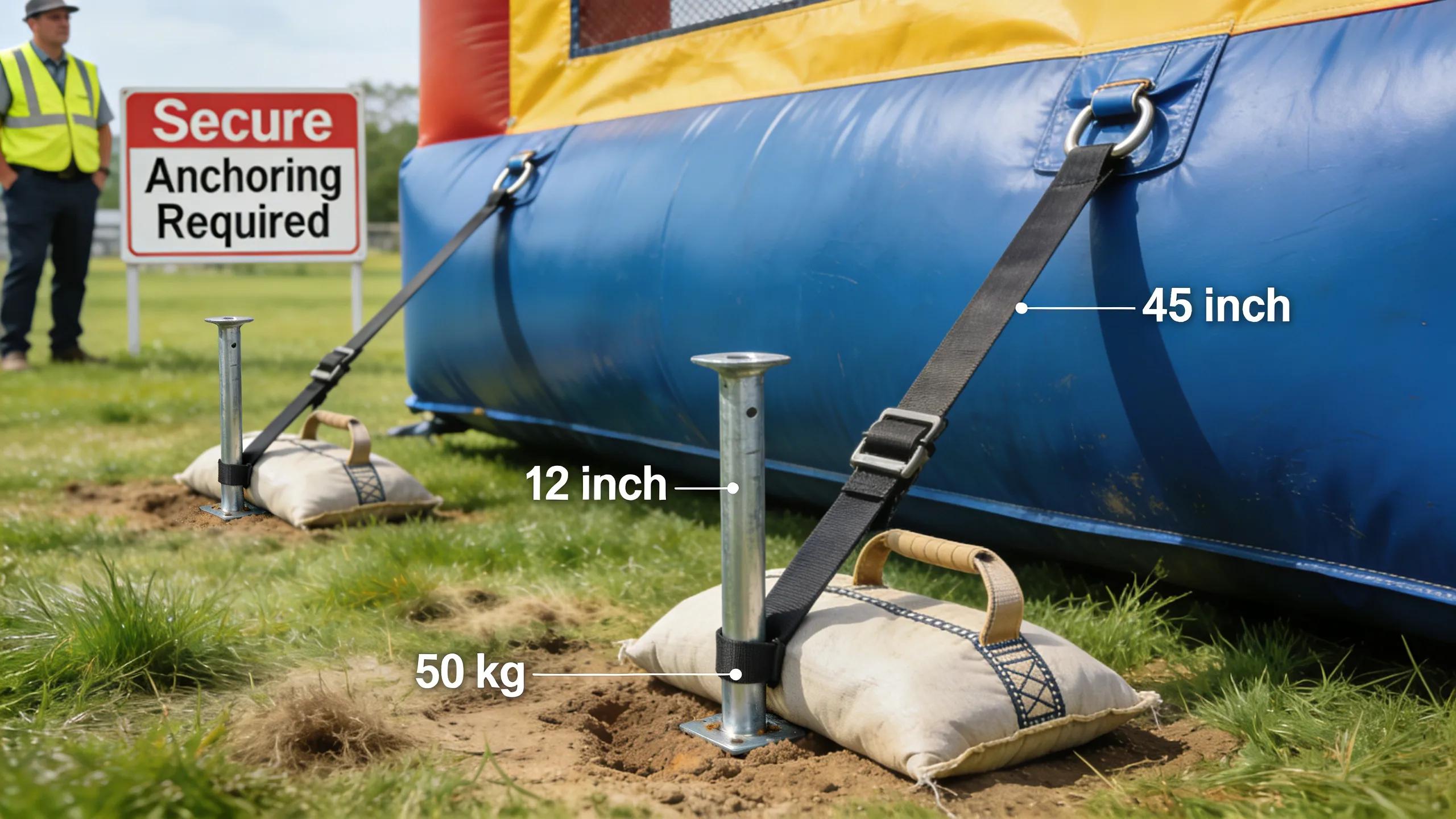
Proper anchoring is essential for the stability of bounce houses and other inflatables. Securing the equipment with appropriate anchors prevents movement from wind or active use.
- Types of Anchors: Different types of anchors such as stakes, sandbags, and concrete blocks can be used, depending on the surface and expected conditions.
- Installation Methods: Correct installation methods are vital. This includes ensuring that each anchor is secured according to the manufacturer’s guidelines, which often involve specific angles and depths for maximum effectiveness.
- Importance of Stability: An effectively anchored inflatable dramatically lowers the risk of tipping or shifting during use, making it safer for everyone involved.
What Weight Limits Must Be Observed for Safe Use?
Manufacturer weight limits define safe occupancy and prevent overloading. Adhering to those limits protects both users and the structure.
- Adult Supervision Guidelines: Adults must be aware of monitoring maximum weight loads to avoid overloading inflatables, which can lead to accidents.
- Recommendations for Children: Specific recommendations about age and weight for children should be communicated clearly to all participants and guardians.
- Why Limits Are Essential: Adhering to these weight restrictions helps prevent accidents such as inflatables collapsing or tipping over, ensuring a safe experience.
How Are Inflatable Rentals Inspected and Maintained for Safety?
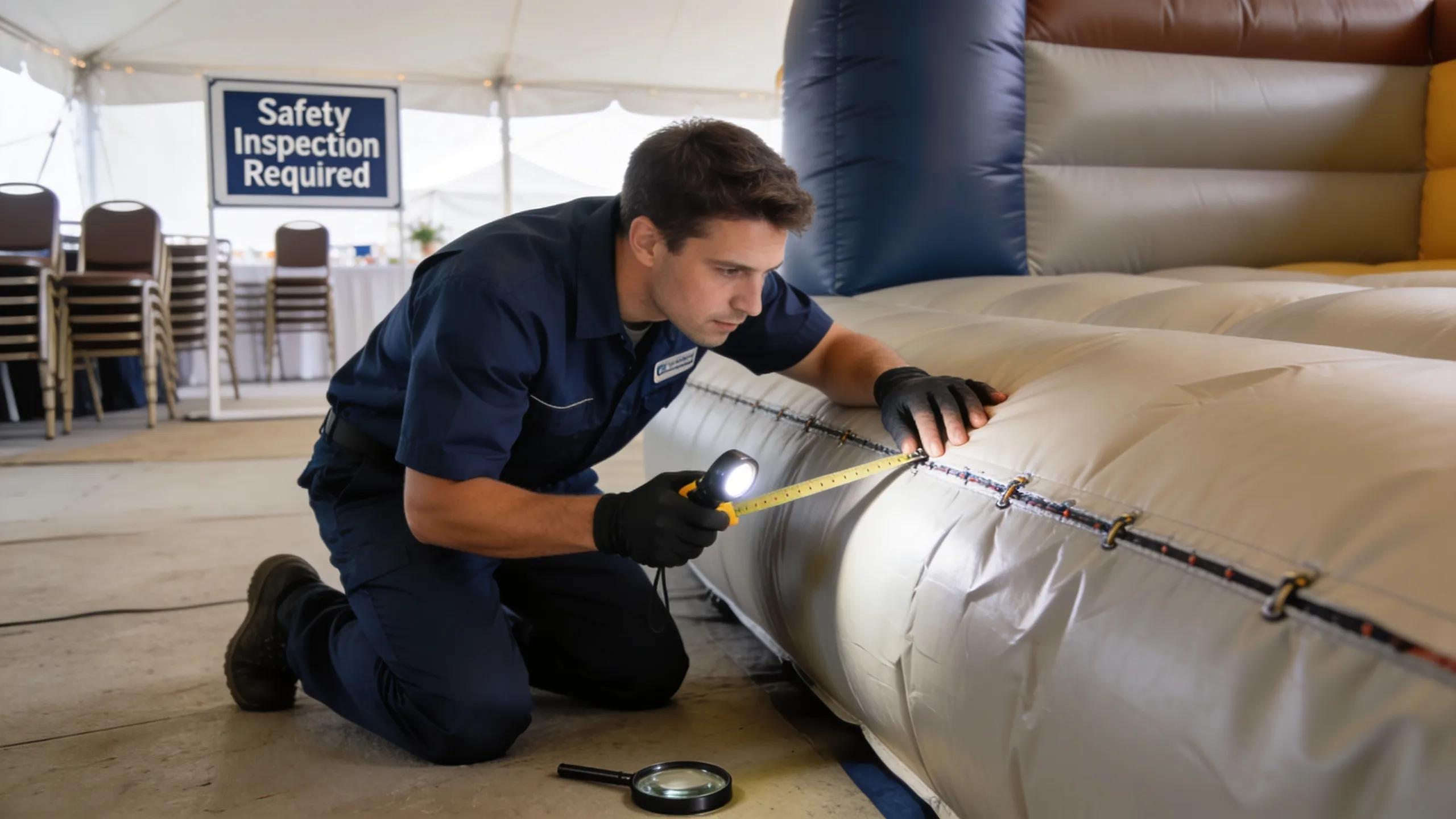
Regular inspection and maintenance keep equipment safe before and after each rental and help catch issues early.
- Inspection Checklist Items: Each inflatable should go through a detailed checklist, examining seams, material integrity, and the condition of any electrical components.
- Scheduled Maintenance: Regular maintenance schedules should be established to address wear and tear, ensuring inflatables remain safe over time.
- Post-Event Checks: After use, inflatables need to be carefully inspected to catch any damage that may have occurred and ensure they’re safe for the next rental.
What Does a Pre-Event Inflatable Inspection Include?
- Checklist of Safety Items: Operators should follow a comprehensive checklist that includes checking for any damages, ensuring that safety measures are in place, and verifying operational components are functioning properly.
- Operator Duties: Present during setup and inspection, the operator should ensure that all safety requirements are met, from inflation to securing anchors.
- Documentation of Inspections: Having detailed documentation allows for a tracked history of inspections and maintenance, which can be crucial for accountability.
How Is Post-Event Equipment Safety Verified?
- Procedure for Damage Checks: A rigorous evaluation process should be applied to identify any possible damages incurred during the rental period.
- Reporting Process for Issues: Any issues need to be documented and reported immediately to facilitate repairs or adjustments.
- Approval Before Next Use: No inflatable should be rented out again without thorough checks, ensuring the safety of future users.
What Training and Certification Do Our Operators Have?
Trained, certified operators reduce risk. They receive instruction in safety procedures, equipment handling, and emergency response to support safe event operations.
- Types of Training Received: Operators undergo extensive training in safety guidelines, equipment handling, and emergency response protocols to ensure smooth operations during events.
- Importance of Certification: Certification programs provide operators with the necessary knowledge to manage inflatables safely, ensuring that they can respond to any incidents effectively.
- Continuous Education: Ongoing training keeps operators updated on the latest safety standards and best practices in inflatable management.
Why Is Operator Training Critical for Inflatable Safety?
- Impact on Safety: Well-trained operators can quickly identify and respond to potential hazards, thus preventing accidents.
- Skills Learned: Training covers essential skills like proper setup techniques, monitoring usage, and emergency response, all crucial for safe operations.
- Regulations Followed: Training ensures all operators comply with local and state regulations regarding inflatable usage and safety.
How Do Operators Monitor Event Conditions and Usage?
- Visual Monitoring Techniques: Operators should continuously visually inspect the inflatable and the surrounding area to ensure everything operates smoothly. Any concerns should be addressed immediately.
- Communication with Guests: Clear communication with event attendees regarding safety rules and usage guidelines prevents misuse.
- Emergency Procedures: Operators must have clearly defined procedures for various emergency scenarios to ensure swift action can be taken if needed.
How Do Weather and Environmental Factors Affect Inflatable Safety?
Weather influences inflatable safety; operators must evaluate conditions and adapt plans to protect participants and equipment.
- Conditions to Avoid: High winds, heavy rain, and severe storms can create hazardous situations. Operators should be trained to recognize when conditions necessitate the suspension of inflatable activities.
- Preparation for Weather Changes: Having a weather contingency plan in place allows for quicker adjustments if the forecast changes unexpectedly.
- Adapting Setup Techniques: Operators should also know how to secure inflatables under various weather conditions, employing different anchoring techniques based on the forecast.
What Weather Conditions Should Halt Inflatable Usage?
- High Wind Events: Wind gusts exceeding 15-20 mph can destabilize inflatables, making them unsafe for use.
- Heavy Rainfall: Rain can create slippery conditions or lead to electrical hazards in inflatables with powered components.
- Temperature Extremes: Extremely hot or cold temperatures can also pose risks, which operators must consider when planning event operations.
Which Anchoring Techniques Adapt to Variable Weather?
- Adaptation of Methods: Depending on the wind forecast, operators may need to use heavier or more numerous anchors.
- Materials Needed: The proper materials, such as additional stakes or weighted bags, can bolster inflatable stability during adverse weather conditions.
- Safety Assessments: Regular assessments during events can help operators make necessary adjustments promptly.
What Safety Considerations Apply to Different Event Types?
Event types demand different safety approaches. Identifying those needs helps you apply the right protocols for each setting.
- Children’s Party Considerations: Safety management at children’s parties often centers on adult supervision, ensuring that children are using inflatables correctly and safely.
- Corporate Event Protocols: Corporate events may involve a larger audience and require more structured safety measures, including additional supervision and security protocols.
- Inspection Differences: The frequency and details of inspections may differ based on the anticipated size and duration of the event.
How Are Children’s Parties Safely Managed with Inflatables?
- Adult Supervision: Constant adult supervision around inflatables is crucial for monitoring children’s interactions and ensuring safety protocols are followed.
- Setup Recommendations: Inflatables should be placed in visible areas with ample space around them, allowing for safe entry and exit.
- Safety Education for Participants: Educating both children and parents about safety rules before the event starts fosters a culture of safety awareness.
What Precautions Are Needed for Corporate and Larger Events?
For larger events, offering attractions like carnival games adds engagement. Scale supervision and set clear communication frameworks to maintain order and safety.
- Scaling Supervision: A higher number of attendees necessitates additional supervision to monitor inflatables and ensure the safety of all participants.
- Equipment Inspections: Given the larger scale, consistent equipment inspections throughout the event become increasingly important to identify and address any safety issues promptly.
- Communication Frameworks: Establishing clear communication frameworks ensures that all staff members are aware of safety protocols and can respond effectively in emergencies.
What Emergency Procedures and Customer Responsibilities Support Safety?
Clear emergency procedures and defined customer responsibilities help manage incidents and limit liability during inflatable events.
- Customer Responsibilities: Attendees should be made aware of their role in ensuring safety, including following rules and guidelines provided by the rental company.
- Emergency Contact Procedures: Having clear protocols for contacting emergency services or handling incidents is essential for swift resolutions.
- Insurance Considerations: Understanding insurance responsibilities can help mitigate liability during accidents or injuries.
How Are Emergency Situations Handled During Rentals?
- Immediate Response Actions: Operators should be trained in specific actions that must be taken in various emergency scenarios, such as evacuating participants.
- Communication During Emergencies: Keeping lines of communication open with attendees ensures everyone is aware of what to do in case of an emergency.
- Post-Incident Evaluations: Reviewing incidents after they occur can help identify areas for improvement and enhance safety for future events.
What Safety Instructions Are Given to Customers?
- Pre-Event Briefing: Providing a detailed briefing on safety measures before the event begins can reinforce the importance of following guidelines.
- On-Site Rules: Posting visible signage detailing the safety rules can serve as constant reminders for event attendees.
- Post-Event Responsibilities: Customers should also understand their responsibilities for the equipment once the event concludes, including ensuring the safe return and proper handling of equipment.
When planning celebrations, choose from inflatables to performers to make events memorable. Professional entertainers such as clowns add engagement for guests of all ages, and including professional acts in your party entertainment plan helps ensure a lively atmosphere.
Frequently Asked Questions
What are the most critical weather-related safety concerns for inflatable events?
Weather affects inflatable safety. Wind gusts over 15–20 mph, heavy rain, and extreme temperatures can make inflatables unsafe. Use a clear weather contingency plan to secure equipment or suspend activities when needed.
How should inflatable equipment be positioned for maximum safety?
Place inflatables on level, open areas with clear space for entry and exit. Keep them away from trees, power lines, water, and sharp debris to reduce hazards.
What steps should be taken if an inflatable shows signs of wear or damage?
Remove any damaged inflatable from service immediately. Inspect seams, fabric, and electrical components, report the issue, and document repairs before returning the unit to rental.
How can operators effectively communicate safety rules to attendees?
Conduct pre-event briefings for adults and children, post clear safety signage on-site, and engage attendees directly to reinforce rules and encourage compliance.
What specific preparations can enhance safety during large events?
For large events, increase supervision, schedule regular equipment inspections, and establish clear staff communication channels for rapid incident response.
Are there any age restrictions for children using inflatable rentals?
Yes. Operators should state recommended age ranges for each inflatable and ensure adult supervision so children use the equipment safely.
Conclusion
Prioritising safety protects guests and improves enjoyment. Follow established guidelines to create a secure environment, and consider professional services like Clowns4Kids, specialists in safe inflatable rentals. Contact them to explore entertainment options that will make your celebration memorable.