

























































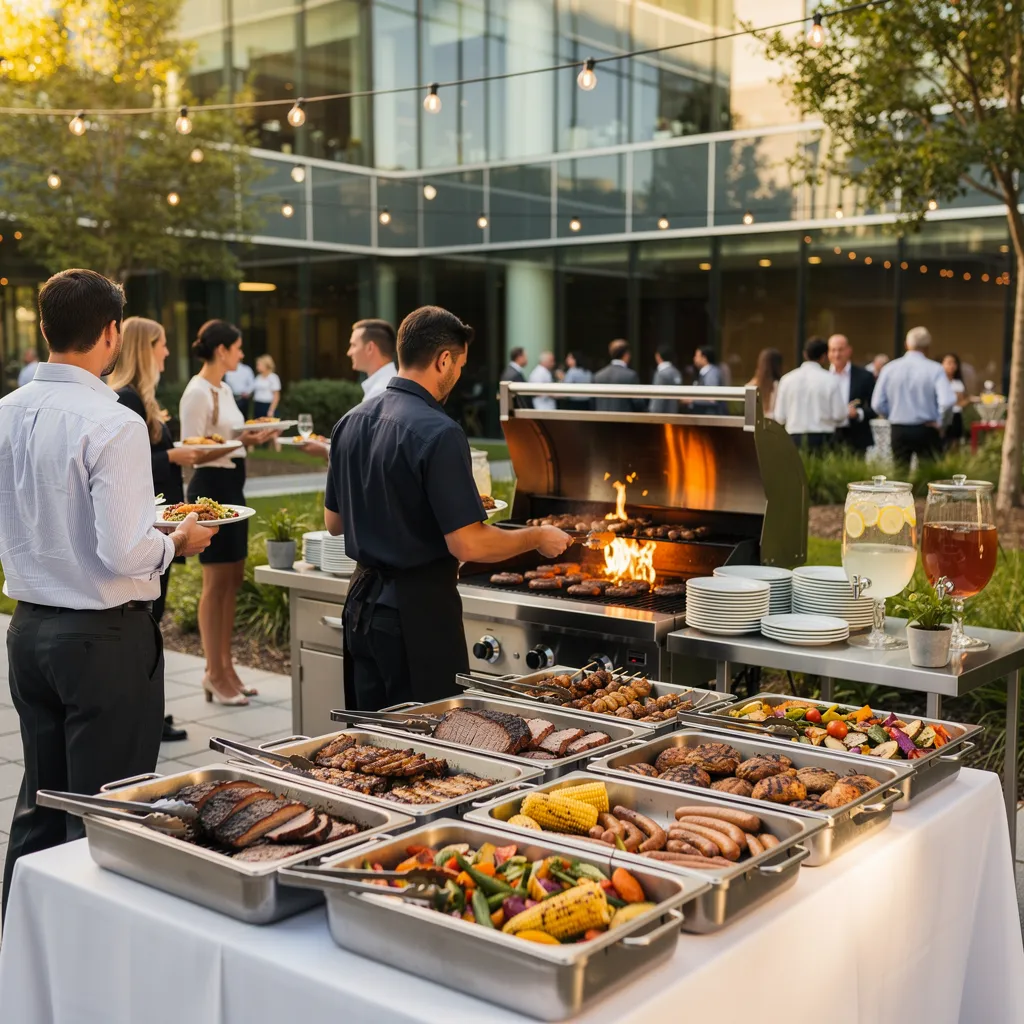
How to Guarantee Food Safety for Your Corporate Gathering
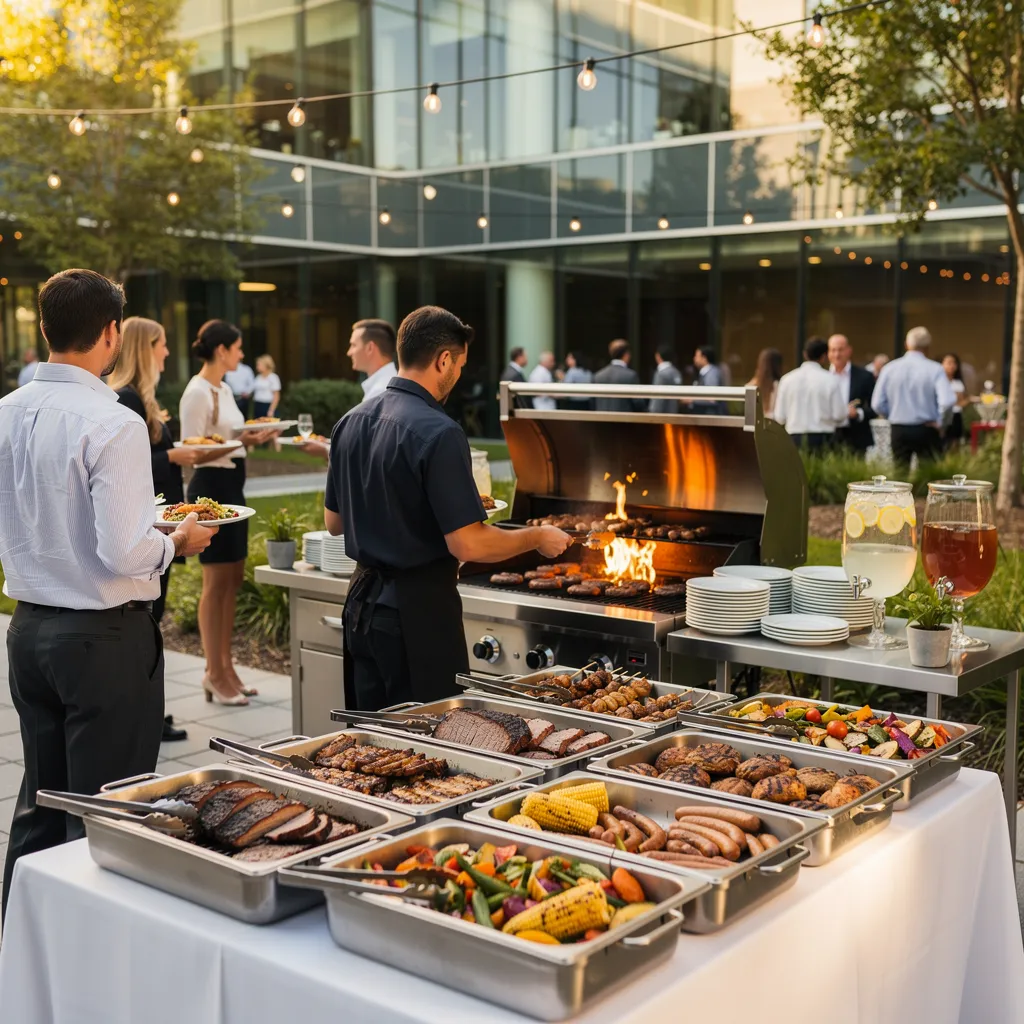
Food safety at corporate events requires certified caterers who follow HACCP guidelines, maintain hot foods above 140°F and cold items below 40°F, and provide proper labeling for the 9 major allergens identified by the FDA, including peanuts, shellfish, and dairy, to protect all attendees.
Corporate food safety hinges on partnering with vetted vendors, monitoring temperature control, and scheduling timely service to avoid the “danger zone,” answering the central question many coordinators ask: How Can I Ensure Food Quality and Safety for a Large Corporate Event? Clowns4Kids, serving corporate clients across Long Island, NY, specializes in entertainment bookings while collaborating with trusted catering vendors, helping HR teams and office coordinators reduce spoilage risk, manage diverse menus. Keep large gatherings running safely and smoothly from setup through cleanup.
What Should You Prepare Before Booking Catering?
Preparation for corporate catering starts long before any menu tasting or contract signature. Large gatherings create high-volume production demands, varied menu requests, and fast-paced service windows, all while health regulators watch closely. Coordinators who plan food quality and safety for a large corporate event early avoid last-minute scrambling and reduce risk.
Before reaching out to vendors, gather the essentials:
- Confirm the final guest count and any dietary restrictions or allergies.
- Identify venue restrictions, including kitchen access, refrigeration, and serving space.
- Set the event timeline, noting service start time and duration.
- Request proof of health department certification and licensing from each caterer under consideration.
- Ask how the vendor holds and transports food to maintain safe temperatures.
Skipping these steps carries real consequences. A single foodborne illness incident at a corporate event can damage a company’s reputation. Open the door to costly legal claims. That risk alone justifies the extra hour spent vetting a vendor’s food-safety practices.
What information should be shared with a caterer in advance?
Caterers need the guest count, dietary needs, event schedule, and venue layout well before the event date. Sharing these details early lets the caterer plan quantities, staffing, and equipment correctly. Vague or last-minute requests increase the odds of shortages or safety shortcuts.
Why does early planning matter for food safety?
Rapid service and diverse menus strain kitchens, raising the chance of temperature abuse or cross-contamination. Coordinators who lock in details weeks ahead give caterers time to source properly and staff adequately. Clowns4Kids has coordinated parties and events for many years, and that experience confirms early communication prevents most on-site problems. Quality control should stay at the forefront of every vendor relationship, not an afterthought discovered too late.
How Do You Vet Your Catering Vendor?
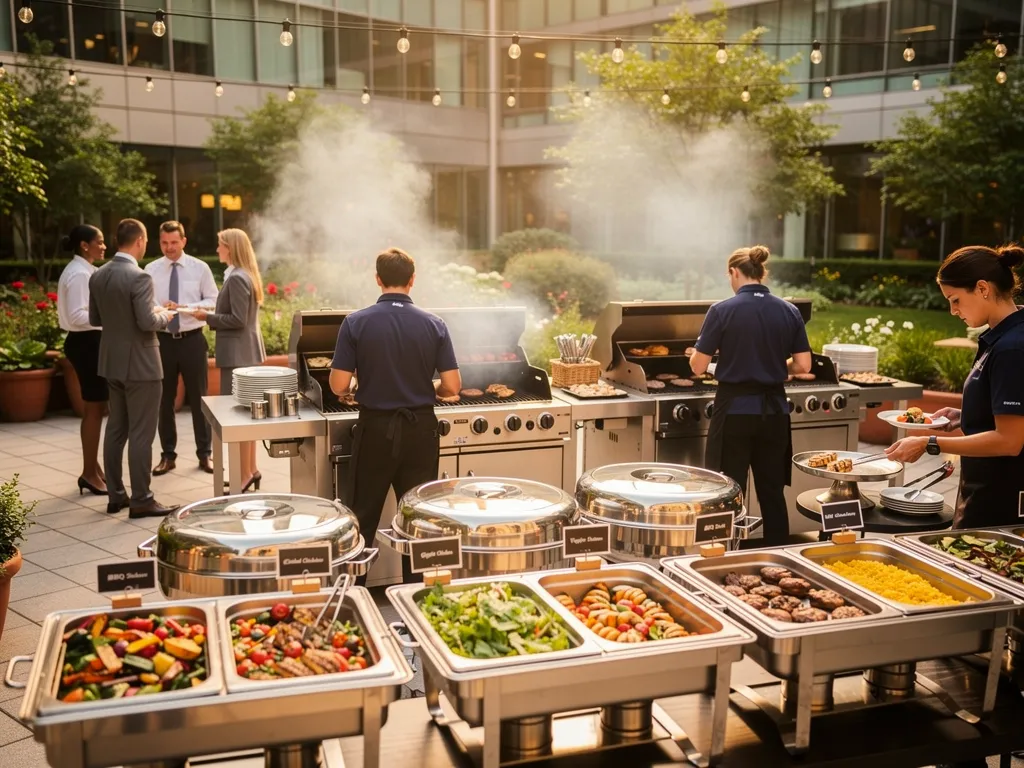
Vetting a catering vendor for a large corporate event requires a structured screening process, not a gut-check phone call. Skipping that screening step risks foodborne illness outbreaks, frustrated executives, and canceled contracts down the line. A reliable vendor proves reliability before the contract even gets signed. Coordinators who follow a clear sequence catch problems early, long before guests arrive.
- Call the vendor directly and ask pointed questions about food handling before requesting a proposal. A vendor’s commitment to excellence should show up in that very first conversation, not just in a glossy brochure.
- Confirm service capacity matches the guest count without sacrificing attention to detail. A wide range of service offerings that still allows for personalized attention is a strong signal that a caterer can scale up for hundreds of employees while still catching the small details.
- Ask how staff coordinate across multiple prep locations. When food gets prepared by different teams in different kitchens, every team needs to follow the same storage and handling standards.
- Request proof of food safety training, including familiarity with recognized guidance such as the USDA’s cooking-for-groups resource for volunteers and vendors handling large-scale meals.
What Questions Should Coordinators Ask on the First Call?
Coordinators should ask how the vendor trains kitchen staff, how food travels between prep sites and the venue, and whether the vendor has handled events of a similar size before. Direct answers, not vague reassurances, separate a dependable vendor from a risky one.
Why Does Vendor Capacity Matter for Corporate Events?
Capacity matters because understaffed vendors cut corners under pressure. A vendor built to manage large groups without losing personal attention keeps quality. Safety intact from setup through the last course served.
How Do You Build a Safe Menu Plan?
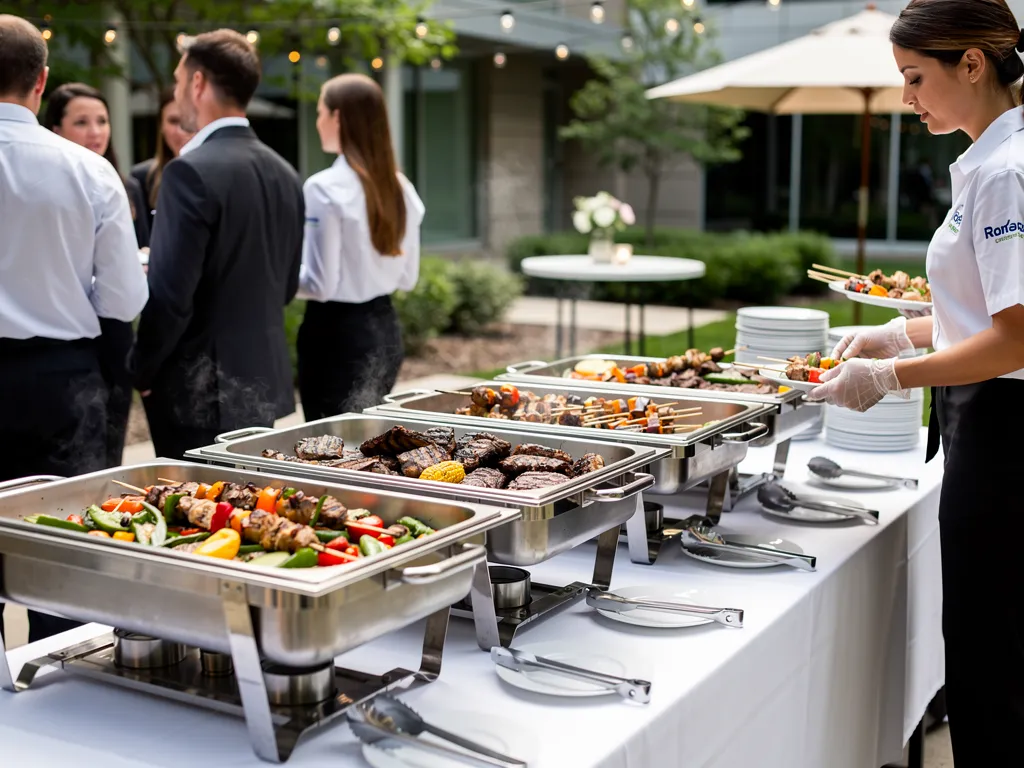
A safe menu plan starts with matching dish selections to budget, guest count, and temperature limits well before the event date. Skipping this step risks last-minute substitutions or, worse, food sitting in a temperature range where bacteria multiply. Corporate coordinators who plan menus early avoid scrambling caterers and dodge health code violations that damage a company’s reputation.
Building that plan works best as a sequence, not a single decision made in isolation.
- Request menu tiers. Ask caterers for options across several price points, since coordinators should expect excellent food quality and safety for a large corporate event regardless of budget size.
- Confirm event logistics. Lock in the date, time, and venue address early, since caterers need those details to plan food logistics, staffing, and equipment safely.
- Design around temperature control. Choose dishes that hold safely outside the 40°F to 140°F range, the zone where bacteria that cause food poisoning multiply fastest.
- Verify against federal guidance. Cross-check the final menu against FDA and CDC direction on entertaining and buffet service before approving it.
What Temperature Keeps Buffet Food Safe?
Buffet food stays safest when kept below 40°F or above 140°F at all times. Bacteria that trigger food poisoning grow rapidly once dishes sit between those two marks. Chafing dishes, ice trays, and coolers matter as much as the recipes themselves.
Should Corporate Menus Include Multiple Price Tiers?
Yes. Comparing options across different price points, while still holding caterers to a high quality standard, gives coordinators flexibility without sacrificing safety or presentation. This approach also simplifies budget approval conversations with finance or leadership teams.
How Do You Monitor Safety During the Event?
Active monitoring during service — not just careful planning beforehand — keeps corporate catering safe from start to finish. Quality control needs to stay at the forefront throughout the entire event, not only during booking and setup. Clowns4Kids.Com Coordinators who assume the work ends once food hits the table risk missing problems that develop mid-event, especially as temperatures rise and bacteria find new opportunities to spoil the buffet line.
A few concrete steps help office managers and event coordinators stay ahead of trouble on event day:
- Confirm the party location address and contact phone numbers with the caterer before the event begins.
- Assign someone onsite to check hot and cold holding temperatures at regular intervals during service.
- Watch for signs of improper hand washing or food handling among serving staff, particularly during long outdoor events.
- Keep a direct line open to the caterer’s team so any concern gets addressed immediately, not after the fact.
Having the address and phone numbers locked in ahead of time isn’t just paperwork. It means vendors and coordinators can reach each other fast if something looks off onsite.
What should happen if a food safety issue comes up mid-event?
Staff should treat any concern as urgent, not something to quietly monitor. A standard of excellence and integrity should guide how catering teams respond to last-minute changes, whether that means pulling a dish, adjusting a serving line, or replacing a tray. Clowns4Kids.Com Corporate coordinators should expect vendors to act decisively rather than wait for the problem to escalate.
Does outdoor seating change the monitoring approach?
Yes. Warmer conditions raise the risk of food poisoning at outdoor gatherings. Safe handling, hand washing, and storage require closer attention than indoor events. Monitoring should continue throughout service, not stop once the buffet opens.
What Mistakes Should You Avoid?
Four mistakes derail food quality and safety for a large corporate event more often than any others. Late outreach tops that list, since vendors contacted at the last minute rarely have time to verify safe handling procedures. Rushed planning breeds shortcuts, and shortcuts breed risk.
- Reach out early. Contact catering and entertainment vendors during regular business hours, well ahead of the event date. Waiting until the final week forces scrambling that skips important safety checks.
- Skip the unproven vendor. A company with only a year or two in business often lacks the refined quality-control habits of an operation built over decades of steady service. Longevity in this industry usually signals tested, repeatable safety practices.
- Don’t chase the lowest bid. Price matters, but a fair price should always come paired with a quality product, not traded for one. A bargain that sacrifices quality control costs far more than it saves once something goes wrong.
- Never skip the written plan. A documented food-safety management plan belongs in every event contract, not as an afterthought. Coordinators who skip this step have no clear protocol if a problem surfaces mid-event.
Why does vendor experience matter for food safety?
Experience shapes how consistently a vendor follows safe handling procedures under pressure. A company that has served events for many years has typically refined its systems through repetition, reducing the chance of overlooked steps during high-volume service.
Is the cheapest catering option ever the safest choice?
Rarely. Cost alone says nothing about how a vendor stores, transports, or serves food. Coordinators who prioritize price over documented quality-control practices take on risk that a fair-priced, quality-focused vendor would avoid entirely.
Prioritizing food quality and safety at your corporate event demonstrates respect for your guests and protects your organization’s reputation. By implementing proper handling protocols, verifying vendor credentials, and maintaining clear communication with your catering team, you create an environment where attendees focus on networking and celebration rather than health concerns. These foundational practices transform food service from a logistical detail into a cornerstone of professional event excellence.
FAQ
What should coordinators confirm before booking a caterer?
Coordinators confirm the guest count, dietary restrictions, venue limitations like kitchen access and refrigeration, the event timeline, and request proof of health department certification and licensing from each caterer under consideration.
What information does a caterer need in advance?
Caterers need the guest count, dietary needs, event schedule,
Conclusion
Ensuring food quality and safety at a large corporate event comes down to preparation, vetting, and vigilance. Coordinators who confirm guest counts and dietary needs early, screen caterers for proper certification and food-safety training, build menus around safe temperature ranges, and monitor conditions throughout the event set their gatherings up for success. Avoiding common missteps — late outreach, unproven vendors, bargain bids, and skipped safety plans — further protects both attendees and the company’s reputation. With the right vendor partnerships and consistent attention from booking through cleanup, HR teams and office coordinators can host events where guests focus on connecting with colleagues, not worrying about what’s on their plate.