

























































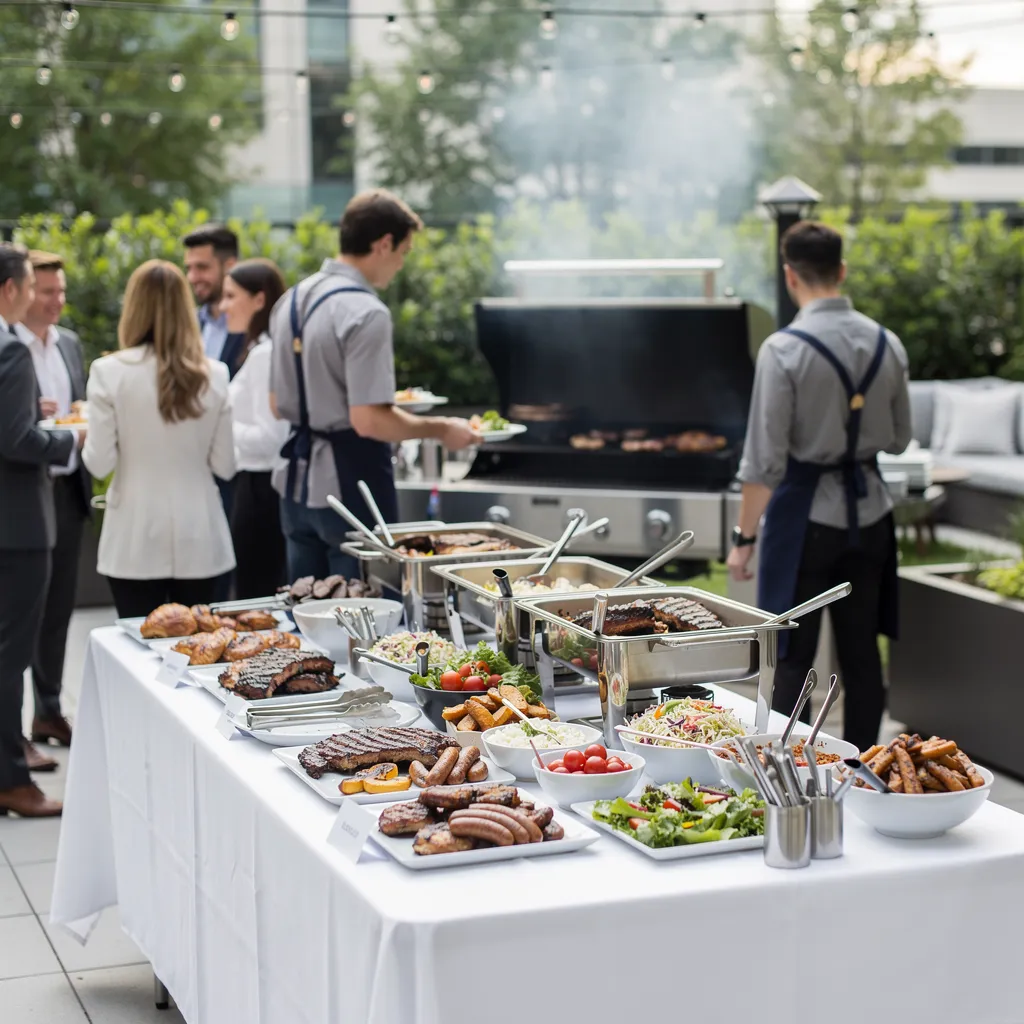
Top Considerations for Corporate BBQ Catering Success
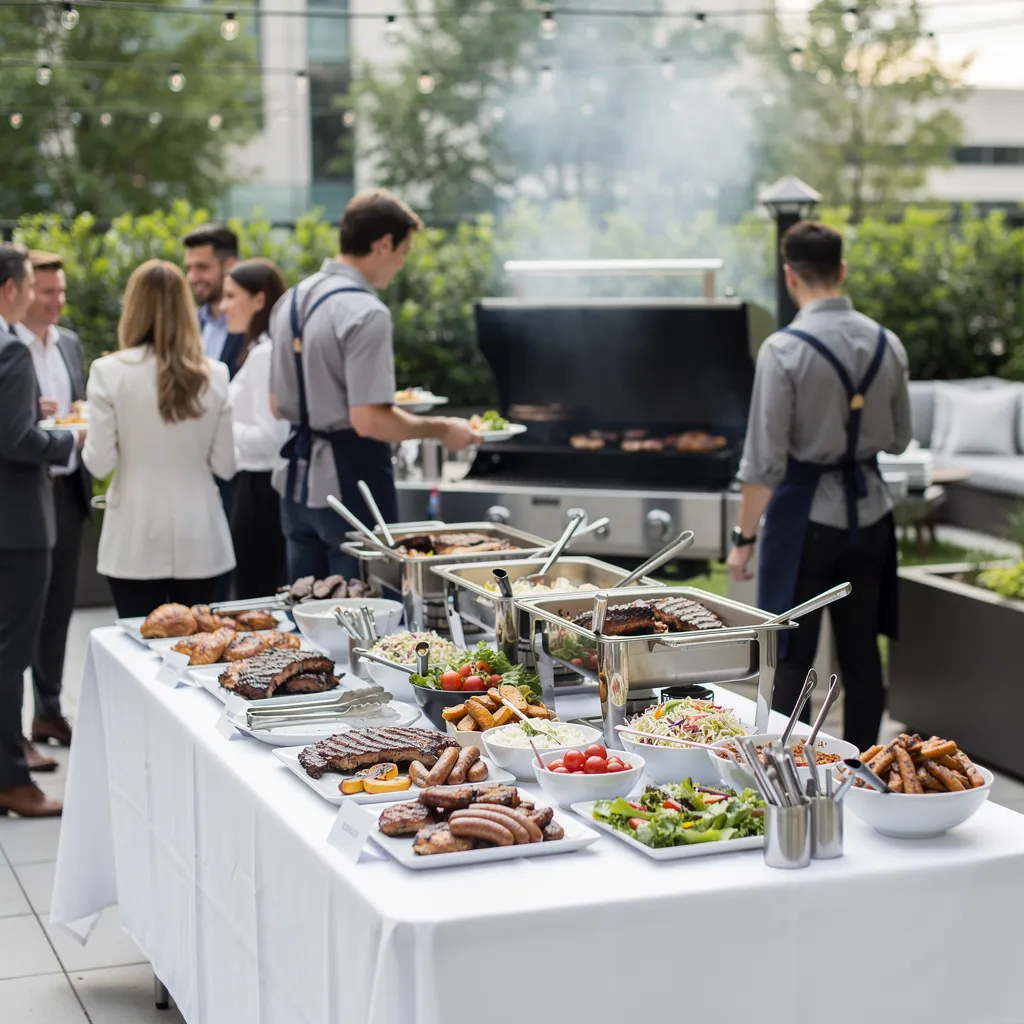
When it comes to What Factors Should I Consider When Choosing a Corporate BBQ Catering Provider?, selecting a corporate BBQ caterer requires verifying food safety certification, checking reviews on platforms like Yelp, and confirming menu variety for 50+ guests. Smoky Joe’s BBQ Catering guarantees on-time delivery, offers customizable packages, and provides dedicated staff for setup and cleanup, ensuring seamless service for office events, vacation parties, and team celebrations.
Providers with proven experience across corporate events, clients, and teams stand out best—prioritize caterers offering five essential evaluation tips, including menu variety, service style, and setup support. Recommended by industry experts like All Beef Catering. Smokehouse for reliable, memorable results when considering What Factors Should I Consider When Choosing a Corporate BBQ Catering Provider.
Corporate event planners should vet BBQ caterers on experience, service range, and client reviews before signing a contract. Providers like Clowns4Kids.Com, operating across Long Island, NYC, and the Hamptons, demonstrate reliability by pairing catering with proven event services, giving planners confidence in consistent, quality-controlled execution for company picnics and team celebrations.
What Should You Prepare Before Contacting Caterers?
Preparation starts long before the first phone call to a caterer. Office managers and event planners get the strongest quotes when they arrive with a clear headcount, event date, and sense of what the team actually wants to eat. Corporate BBQ catering has grown into one of the fastest-moving trends in business event planning. Companies that skip the prep work often lose that advantage before negotiations even begin.
Rushing into vendor conversations without groundwork costs planners leverage. A caterer working from vague details defaults to generic packages. Generic packages defeat the purpose of moving away from boxed lunches in the first place.
Before reaching out, complete these steps in order:
- Confirm the guest count and event type — a client dinner and a company picnic call for different service styles.
- Set a budget range, since providers typically offer options at multiple price points to fit small and large budgets alike.
- Review available menu and service options ahead of time to identify what suits the audience before requesting quotes.
- Note dietary variety needs, since BBQ menus appeal to a wide range of tastes and work well for mixed office groups.
Why does budget range matter more than a fixed number?
A range gives caterers room to present tiered options instead of a single rigid quote. Providers with multiple price points can then match services to the actual event, not a guess.
What if the team hasn’t picked a menu style yet?
Browsing a caterer’s full list of offerings beforehand narrows the decision fast. Seeing every option side by side makes it easier to spot what will genuinely appeal to guests before locking in a contract.

How Do You Vet A Caterer’s Reputation?
Vetting a caterer’s reputation starts with real conversations, not polished marketing copy. Colleagues who have booked catering before can point corporate planners toward vendors with a genuine track record of dependable service. That kind of firsthand referral often reveals more than a glowing website ever could.
Office managers and event planners evaluating a corporate BBQ catering provider should follow a short verification process before signing anything:
- Ask coworkers, HR contacts, or other department leads who has hired BBQ caterers for past company events.
- Note how long the company has operated — a business with a long, established history has weathered plenty of event types and learned from them.
- Call the vendor directly and pay attention to the first interaction; a caterer committed to quality service usually shows it from that very first phone call.
- Ask how the company handles scale, since a dependable vendor keeps the same quality control whether serving a large corporate picnic or a small team lunch.
How Long Has the Caterer Been in Business?
Longevity matters more than it seems. A caterer with years of operating history has already solved logistical problems that newer vendors haven’t encountered yet, which lowers the risk for a corporate booking.
Does the Caterer’s Service Quality Hold Up at Scale?
Not always, and that’s the risk. Some caterers shine at intimate events but stumble under the demands of a 200-person company gathering. A reputable provider proves it can maintain the same personal attention and care regardless of headcount.
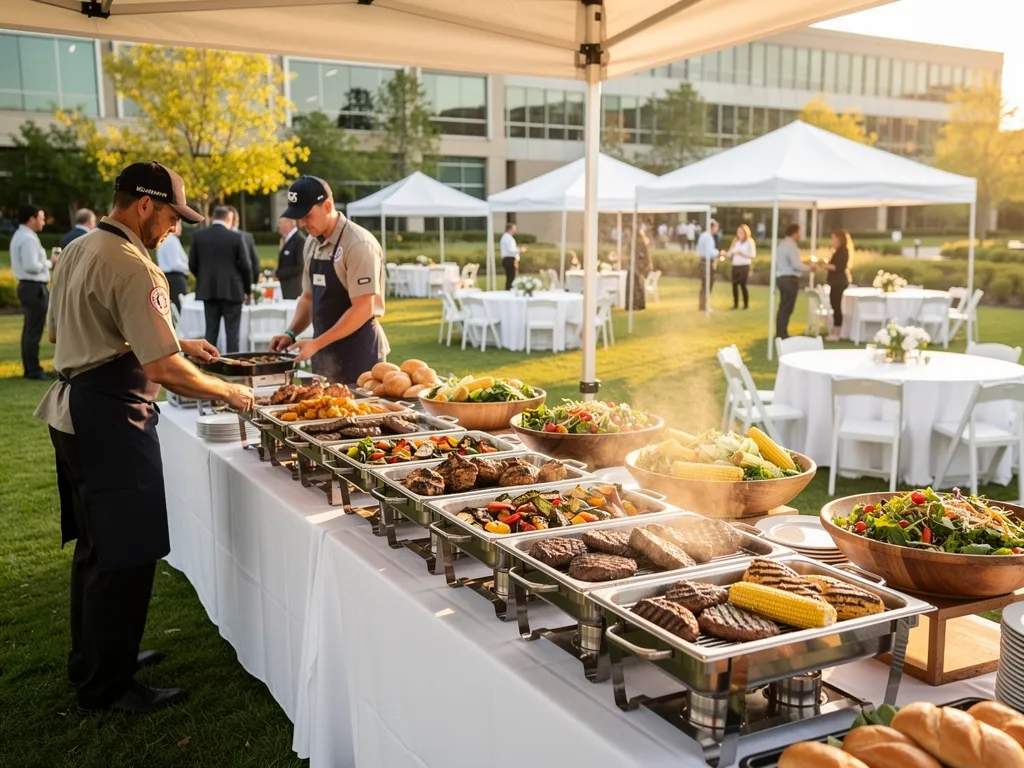
How Do You Compare Menus And Service Styles?
Menu comparison starts with matching service style to event size. Corporate BBQ catering providers typically offer two main formats, and each fits a different type of gathering. Getting this match wrong wastes budget on staff nobody needed, or leaves a large team scrambling without setup support.
Full-service catering brings staff, buffet setup, and cleanup directly to the venue. This style suits larger corporate gatherings that need complete on-site support from start to finish. Drop-off catering works differently: food arrives ready to serve, with minimal setup required. Office lunches and mid-size events, where staff can’t spare time managing a buffet line, benefit most from this format.
| Service Style | Best For | Setup Level |
|---|---|---|
| Full-Service | Large gatherings, milestone events | Staff, buffet setup, cleanup included |
| Drop-Off | Office lunches, mid-size teams | Minimal — food arrives ready to serve |
What Should Planners Ask About Menu Flexibility?
Ask whether the provider adjusts offerings based on specific requests. A caterer willing to modify dishes for dietary needs or team preferences signals a customer-focused approach. That flexibility often separates a forgettable lunch from one employees actually talk about afterward.
Does A Lower Price Always Mean Lower Quality?
Not necessarily, but planners should stay cautious. The strongest caterers treat quality and fair pricing as equally important, never sacrificing one to protect the other. A provider quoting rock-bottom rates while cutting corners on food quality creates more problems than it solves.
Before signing anything, request sample menus for both service styles. Compare how each provider handles setup, staffing, and pricing transparency. Planners who skip this step often discover mismatched expectations on event day. A costly lesson to learn in front of clients or leadership.
How Do You Lock In Logistics And Contract Terms?
Locking in logistics starts with a signed agreement, a secured deposit, and a shared checklist of event details. Corporate planners weighing the right vendor should treat this stage as the moment where verbal promises become enforceable commitments. Skipping these steps invites double-bookings, missing equipment, or a caterer who shows up at the wrong address.
Most corporate BBQ catering providers require a credit card on file once pricing and menu selections are finalized. This step transforms a quote into a held reservation. Office managers should confirm the deposit policy before signing off on final numbers.
- Finalize the menu and headcount, then request written confirmation of pricing.
- Provide a credit card to secure the reservation date.
- Submit the event date, start time, and full venue address.
- Share on-site contact phone numbers so the crew can reach a decision-maker day-of.
- Confirm business hours for follow-up questions before the event.
What details does a caterer need after booking is confirmed?
Once a reservation is secured, planners must hand over the date, time, and venue address without delay. Contact phone numbers matter too. A missing number can turn a simple delivery hiccup into a stalled setup on event day.
How does the food itself factor into the contract?
The dishes served can make or break an event’s reception among employees and clients. Before signing, planners should confirm exactly what’s included in each package and what service standard to expect.
Providers who list clear office hours, such as availability Monday through Friday, give planners a reliable window to resolve contract questions ahead of the event. That accessibility matters more than it seems once deadlines tighten.
What Mistakes Derail Corporate BBQ Bookings?
Small oversights sink otherwise promising corporate BBQ bookings more often than bad food does. A missed staffing detail or an unconfirmed service time forces an office manager to scramble on the morning of a client lunch. That scramble usually shows in front of guests. Avoiding these missteps matters just as much as choosing a corporate BBQ catering provider with strong reviews.
The most common planning breakdowns fall into a few predictable patterns:
- Skipping a detailed walkthrough of service timing and staffing needs before signing a contract.
- Assuming live smoking or on-site cooking is included without asking directly.
- Booking a caterer without checking how the company handles quality control across multiple events.
- Failing to send full event logistics — venue address, contact numbers, arrival time — once the date is locked in.
Why does confirming on-site cooking matter?
Some BBQ packages include a full live cooking station or pig roast setup directly at the venue. Others deliver food already smoked and ready to serve. Planners who skip this question often discover extra setup requirements, like space for smokers or additional prep time, on the day of the event. Asking upfront prevents a last-minute logistics headache.
What should be confirmed after booking a caterer?
Securing the reservation is only the first step. Caterers typically need the event date and time, the exact venue address, and working contact numbers to finalize arrangements. Leaving these details unconfirmed can delay final confirmation and create unnecessary stress right before the event.
Consistency matters too. A provider that prioritizes quality control across every booking reduces the risk of inconsistent food or service showing up at a large company gathering.
Selecting the right corporate BBQ catering provider requires balancing quality, reliability, and service excellence. By evaluating experience, menu options, and customer feedback, you position your event for success. The ideal partner demonstrates professionalism, clear communication, and genuine commitment to exceeding expectations. Your corporate gathering deserves entertainment and catering that reflect your company’s standards and create lasting impressions for attendees.
FAQ
What information should you gather before contacting BBQ caterers?
Confirm the guest count and event type, set a budget range, review menu and service options, and note dietary variety needs. This preparation strengthens negotiating leverage and prevents generic package offers.
How do you verify a caterer’s reputation before signing a contract?
Ask coworkers or HR contacts for referrals, check how long the company has operated, call the vendor directly to gauge the first interaction, and ask how they handle scale.
Why does a caterer’s operating history matter?
A company with a long, established history has weathered many event types and learned from them, giving planners confidence in reliable execution.
Conclusion
Choosing a corporate BBQ catering provider comes down to preparation and verification. Walk into vendor conversations with a firm headcount, budget range, and menu direction, then vet each caterer’s track record through referrals, phone conversations, and proof they perform consistently at scale. Compare service styles carefully — full-service versus drop-off — so the format matches the event rather than the other way around, and lock in logistics with a signed agreement, secured deposit, and complete venue details well before the big day.
Avoiding the common missteps covered above, confirming on-site cooking arrangements, sharing full event logistics, and checking for consistent quality control, saves office managers and planners from last-minute scrambling. A caterer who communicates clearly, backs up its reviews with real experience, and treats pricing and quality as equally important gives any corporate gathering a stronger shot at leaving a lasting impression on employees and clients alike.