

























































How Much Space is Required for Setting Up a Bounce House Rental
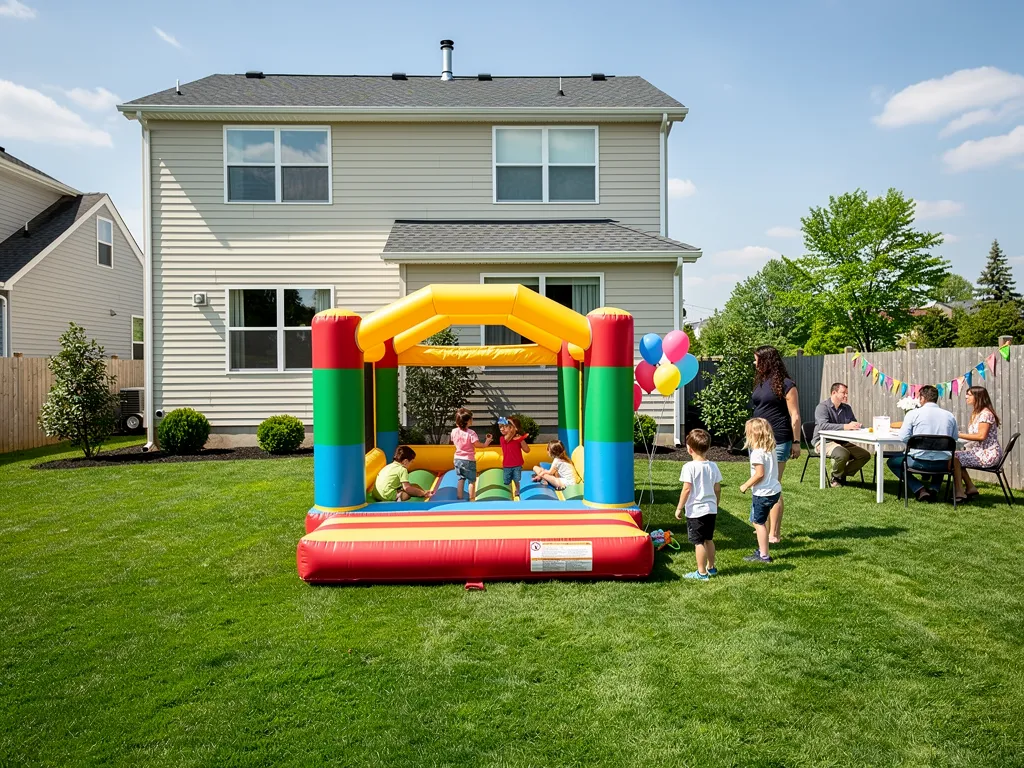
How Much Space Is Required for Setting Up a Bounce House Rental? A standard toddler bounce house requires roughly 15×15 feet of clear space. Larger inflatables need more room, so clients should measure the yard before booking. Clowns4Kids serves New York and Long Island, helping families confirm the right fit for a safe, successful party setup.
What space do you need for a bounce house?
A bounce house rental setup requires precise measurements of the intended location before booking. The space needed depends entirely on the inflatable’s type, dimensions, and additional features like slides or obstacle elements.
Age group and guest count drive the first sizing decision. How Much Space Is Required for Setting Up a Bounce House Rental varies by unit category. A poor fit creates safety hazards. The company ensures every rental matches the available yard space.
How big are standard bounce houses?
Bounce houses typically range from 13 feet by 13 feet to 20 feet by 20 feet. These standard units suit most residential backyards without requiring extensive clearance. A compact yard still accommodates the smaller end of this range comfortably.
Parents and event hosts who compare unit dimensions early avoid last-minute disappointments. The company’s inflatable size guide for event planners details exact footprints for each rental option.
What clearance does a toddler bounce house need?
A standard toddler bounce house may require only 15 feet by 15 feet of open space. That modest footprint fits patios, driveways, and modest grassy areas alike. Small units still need a few extra feet around the perimeter for blower placement and safe entry. Overhead clearance matters too; branches and power lines must sit well above the inflated height.
How much room do larger obstacle courses demand?
Larger, commercial-grade obstacle courses can need 30 feet by 30 feet or more. Units with climbing walls, tunnels, or dual lanes stretch considerably beyond standard bounce house dimensions. These setups suit school field days and large community gatherings where expansive flat ground is available.
Combo bounce houses with built-in slides require extra clearance beyond the base dimensions. The slide’s exit path and the inflatable’s anchor points each add several feet to the total footprint. Measuring from the slide’s furthest edge, rather than just the bouncing floor, prevents cramped layouts.
How do I measure my yard correctly?
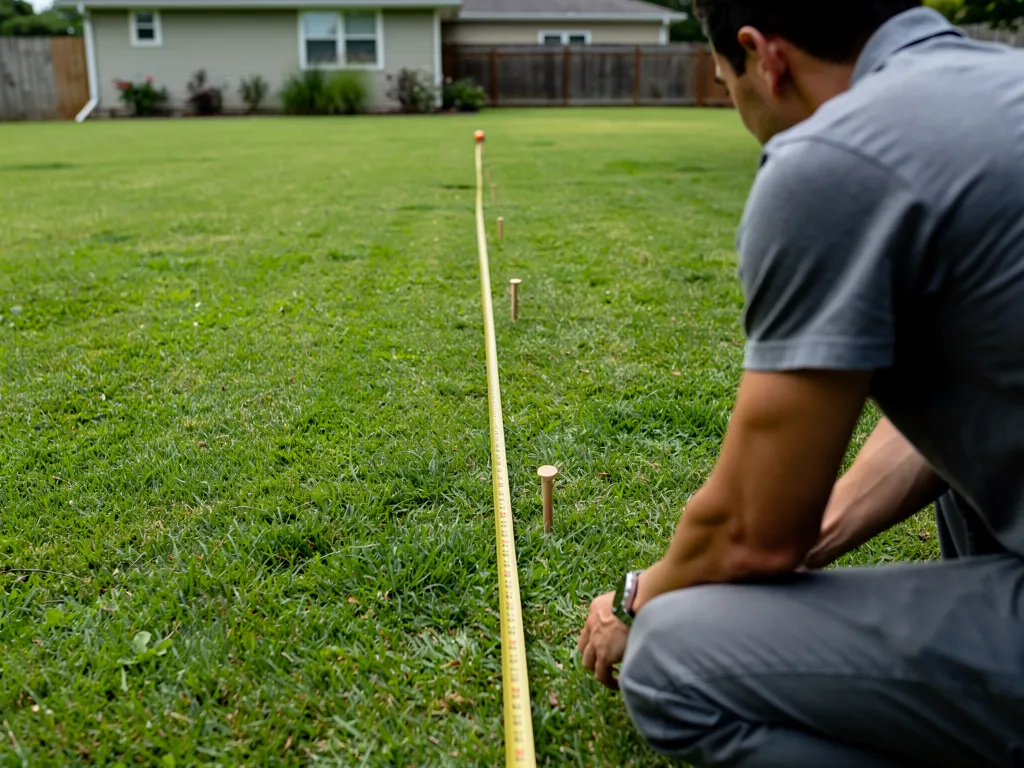
Accurate yard measurement prevents rental day surprises. A tape measure, a clear plan, and attention to overhead clearance ensure the chosen inflatable fits safely. Skipping this step risks last-minute cancellations or unsafe setups that ruin a child’s party.
What tools do I need to measure for a bounce house?
A 100-foot measuring tape works best for larger yards. A standard 25-foot tape suffices for smaller spaces. Marking spray paint or stakes help visualize the footprint. A smartphone level app checks ground slope. The goal is a flat, obstruction-free rectangle matching the unit’s inflated dimensions plus required clearance.
How much extra clearance does a bounce house need?
Every inflatable demands buffer space beyond its listed size. The bounce house size guide principle is simple: factor in clearance for anchoring, blower access, and safe entry points. This typically adds 2 to 3 feet on each side. A unit advertised as 15×15 feet needs a measured area of at least 19×19 feet. Ignoring this buffer creates tripping hazards and strains the blower system.
Follow these steps for a reliable measurement:
- Clear the zone. Remove branches, rocks, toys, and pet waste from the target area.
- Mark the base rectangle. Stake out the inflatable’s exact inflated length and width.
- Add the safety perimeter. Extend the marked area by 3 feet on all four sides.
- Check overhead clearance. Scan for power lines, tree limbs, or roof eaves at least 15 feet above the ground.
- Verify ground conditions. Confirm the surface is level and locate the nearest dedicated electrical outlet for the blower.
Can a bounce house fit on a sloped yard?
A slight slope is manageable. A steep grade is not. Inflatables require a nearly level surface for structural stability. A slope exceeding a few inches over the unit’s length forces the blower to work harder and creates dangerous bouncing angles. Professional installers from Clowns4Kids assess grade during delivery across Long Island, New York City, and New Jersey service areas. The company’s wide range of services handles everything from small birthday parties to large corporate events. Every setup starts with a safe, level foundation.
What about vertical clearance and access?
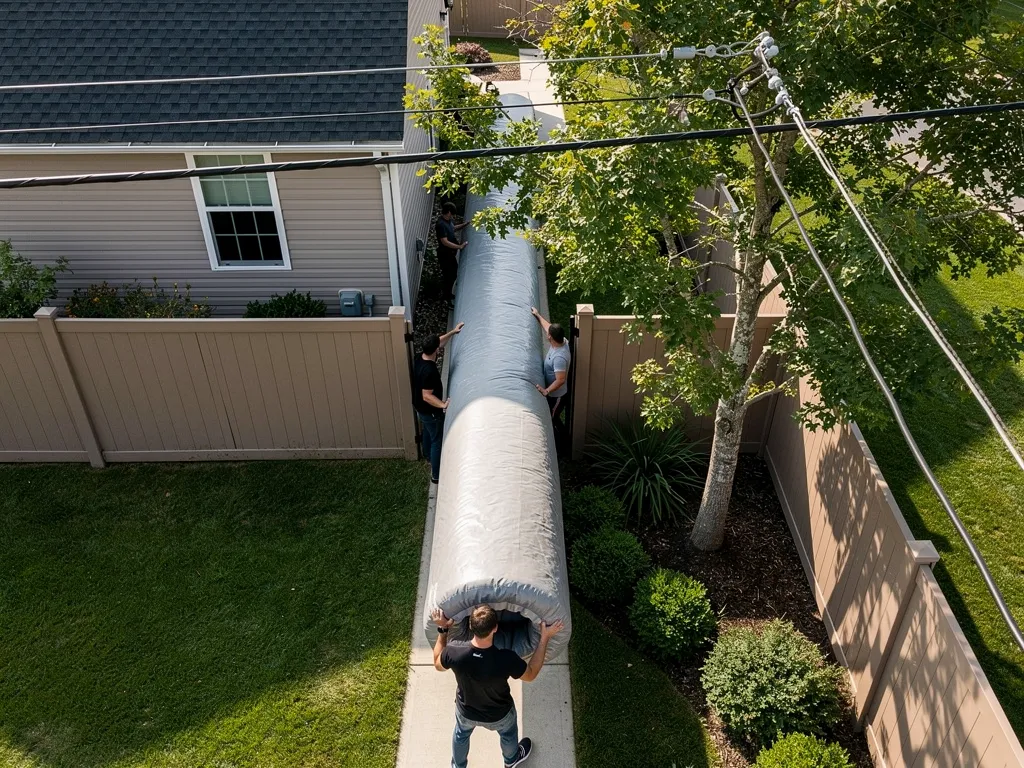
Vertical clearance and unobstructed access are non-negotiable requirements for a safe bounce house setup. An inflatable needs at least 15 to 20 feet of overhead space free from tree branches, power lines, and roof eaves. Ignoring height constraints risks punctures, electrical hazards, and a collapsed unit.
Why does overhead clearance matter so much?
Bounce houses expand upward when inflated, and their tops sway during active play. Any contact with sharp branches or wires creates immediate safety threats. The rental cannot proceed if the site lacks a clear vertical column measuring 15 feet or more. Clowns4Kids evaluates this during the booking conversation. The company’s commitment to excellence begins with the first phone call, welcoming detailed discussions about yard conditions.
How does access affect delivery and setup?
The delivery team needs a continuous path from the street to the setup area. Follow these steps to confirm access:
- Measure the width of gates, side paths, and any passages leading to the yard. A width of at least 3.5 feet accommodates most rolled inflatables.
- Remove obstacles like garden hoses, lawn furniture, and children’s toys from the route before the crew arrives.
- Confirm that the setup surface is level. Slopes exceeding a few degrees compromise stability.
- Identify a grounded electrical outlet within 50 feet of the setup spot. The blower requires constant power.
A bounce house that is too big for young children is dangerous during crowded play. The number of children who will use the bounce house matters for safety. Smaller units suit toddlers, while larger units demand more open space around them. Clowns4Kids offers a vast inventory of exciting entertainment options including bounce houses in multiple footprints. An event host avoids last-minute cancellations by measuring vertical clearance, gate width, and level ground before reserving any unit.
What are the key safety buffer zones?
Safety buffer zones are the minimum clearances required around every side of an inflatable bounce house. A proper buffer prevents collisions with fences, trees, and structures while giving riders safe entry and exit paths. Skimping on these clearances creates trip hazards and strain on the anchorage system, risking equipment damage or injury.
Determining the right buffer starts with the unit’s footprint. A small toddler bounce house needs 15×15 feet of open space. A commercial-grade obstacle course demands 30×30 feet or more. Adding the required clearance transforms the space required for setting up a bounce house rental from a simple pad into a true safety zone.
How much clearance do bounce houses need on each side?
Most manufacturers and rental providers mandate a 3-foot to 5-foot buffer on all four sides. Overhead clearance matters just as much. The setup area must have 15 feet to 18 feet of vertical space free from branches and power lines. Without overhead clearance, a gust of wind turns the inflatable into a hazard.
What happens if the buffer zone is too small?
A tight buffer strains anchor straps and allows the bounce house wall to rub against hard surfaces. Friction damage leads to seam failures and sudden deflation. Crowding the entry and exit points also raises collision risk when children jump out. Event hosts who ignore these clearances lose the structural safety margin built into the inflatable rental safety guidelines.
Clowns4Kids addresses buffer zones during the pre-event site assessment. Follow these numbered steps to verify clearance before delivery day:
- Measure the inflatable footprint length and width from the rental specifications.
- Add 6 feet to the length and 6 feet to the width for lateral buffers.
- Confirm 15 feet of overhead clearance with no branches, wires, or rooflines.
- Mark the final rectangle on the ground with stakes or cones and walk the perimeter.
The company added inflatable bouncers to its inventory after customers requested expanded party options. Clowns4Kids has built its reputation on quality control and listens when families ask for safer setups. Checking that the rental provider offers setup and breakdown services eliminates guesswork. Clowns4Kids strives to support excellence and integrity in every installation, so buffers are never treated as optional.
How do I book the right bounce house?
Booking the right bounce house begins with matching the unit to the age of the children attending and the available yard dimensions. A bounce house rental that fits the group safely and physically is the difference between a successful event and a frustrating one. Without careful selection, a rental deposit secures a unit that either overwhelms toddlers or bores older children before the party hits its midpoint.
What factors determine the best bounce house for a party?
Party hosts weigh three key factors before finalizing a reservation. First, the age range of the children dictates the type of entertainment that works. For young children between the ages of one and seven, a character clown show with balloons, face painting, cotton candy, dancing, a bubble machine, and a parachute provides age-appropriate fun without the intimidation of a large inflatable. Older children require larger units with higher weight capacities and more demanding physical activity. Second, the physical footprint of the rental must clear all overhead and side obstructions in the setup area. Third, the budget sets hard boundaries around which packages stay on the table.
Clowns4Kids carries entertainment options at many different price points that accommodate budgets from small to large. The range spans compact toddler bounce houses to elaborate obstacle courses and water slides, ensuring no party host is forced into a one-size-fits-all solution that wipes out the event budget or leaves half the guests standing idle.
How does the booking process work?
The booking process follows a structured sequence that locks in the right equipment efficiently.
- Contact a party planner. Reach Clowns4Kids Monday through Friday anytime between 9:00 AM and 6:00 PM to discuss available units and pricing for the event date.
- Confirm the reservation with payment. After selecting the preferred entertainment package, supply a credit card number to secure the date and time.
- Provide delivery logistics. Supply the event address and contact phone numbers so the delivery team can confirm setup details before arrival.
A company party planner walks each client through package comparisons, ensuring the selected bounce house matches the guest count, age group, and site constraints. More appointment and deposit details appear on the Frequently Asked Questions page, which covers logistics like weather policies and delivery windows.
What documents are needed to finalize a bounce house rental?
Finalizing the rental requires a credit card, the event date and time, the delivery address, and at least one contact phone number. Clients who have this information ready when they call complete the booking in a single short conversation, minimizing the risk that a preferred unit sells out for the weekend. Clowns4Kids keeps the paperwork minimal so the focus remains on matching the right inflatable to the celebration.
FAQ
How much space do I need for a standard toddler bounce house?
A standard toddler bounce house requires 15×15 feet of open space, plus 2 to 3 feet of extra clearance on each side for anchoring, blower access, and safe entry.
What clearance do larger obstacle courses require?
Larger commercial-grade obstacle courses need 30×30 feet or more. Combo units with slides require extra clearance beyond the base dimensions, measured from the slide’s furthest edge.
How do I measure my yard for a bounce house?
Use a 100-foot measuring tape for larger yards or a 25-foot tape for smaller spaces, mark the footprint with spray paint or stakes, and check ground slope with a smartphone level app.
Conclusion
Knowing the exact space requirements for a bounce house turns a potential safety risk into a straightforward setup. Measure your yard, confirm overhead clearance, and match the unit to your guest list before booking. A quick call to a party planner confirms the right inflatable fits your space, ensuring the party runs smoothly from delivery to takedown.