


























































How Much Space Do You Really Need for Your Bounce House Rental?
A bounce house adds energy to any event, but planning the setup area is essential for safety and smooth operation. This guide explains required dimensions, clearance zones, and how to measure your yard. It also outlines how to coordinate with Clowns4Kids so your event runs as expected. Use this information to select the right inflatable and avoid common setup issues.
What Are the Standard Bounce House Dimensions for Backyard Rentals?
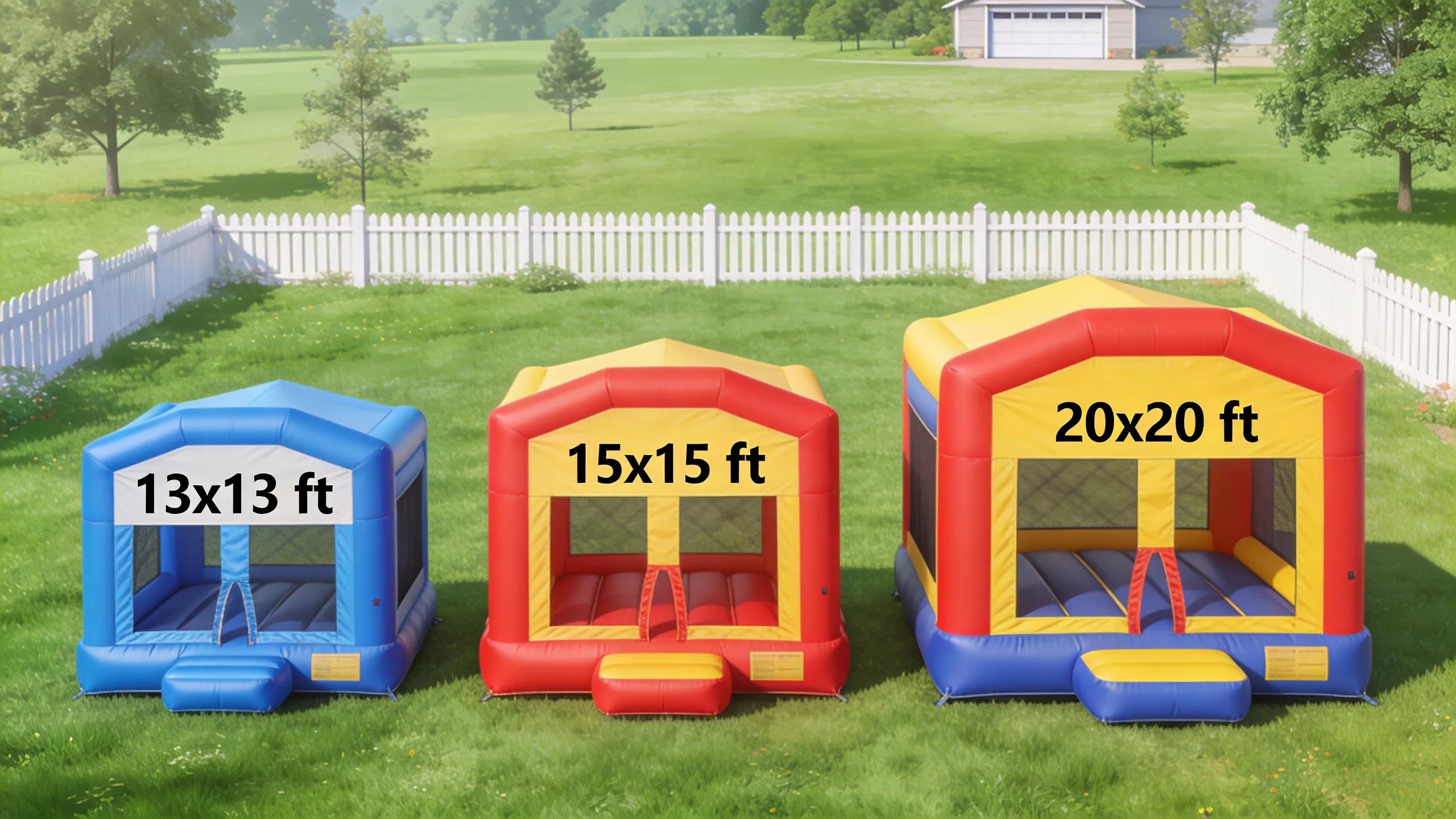
Bounce house sizes vary, but common residential models measure about 13×13 feet to 15×15 feet. Larger inflatables for big gatherings can reach 20×20 feet or more. Knowing these dimensions helps you choose a model that fits your space and avoids safety issues during use.
Which Bounce House Sizes Are Most Common for Residential Spaces?
The 13×13 and 15×15 sizes are the most common for backyards. A 13×13 model suits smaller yards and provides safe play without overcrowding. Larger units, like 15×15 or 20×20, work better on bigger properties or at events with many attendees.
How to Choose the Right Bounce House Dimensions for Your Event Space
Choose a size based on available space, the number and ages of children, and access for setup. Younger children do well with smaller inflatables; older kids generally need more room. Also verify pathways and nearby structures to ensure safe, unobstructed installation.
How Much Clearance Space Is Required Around a Bounce House for Safety?
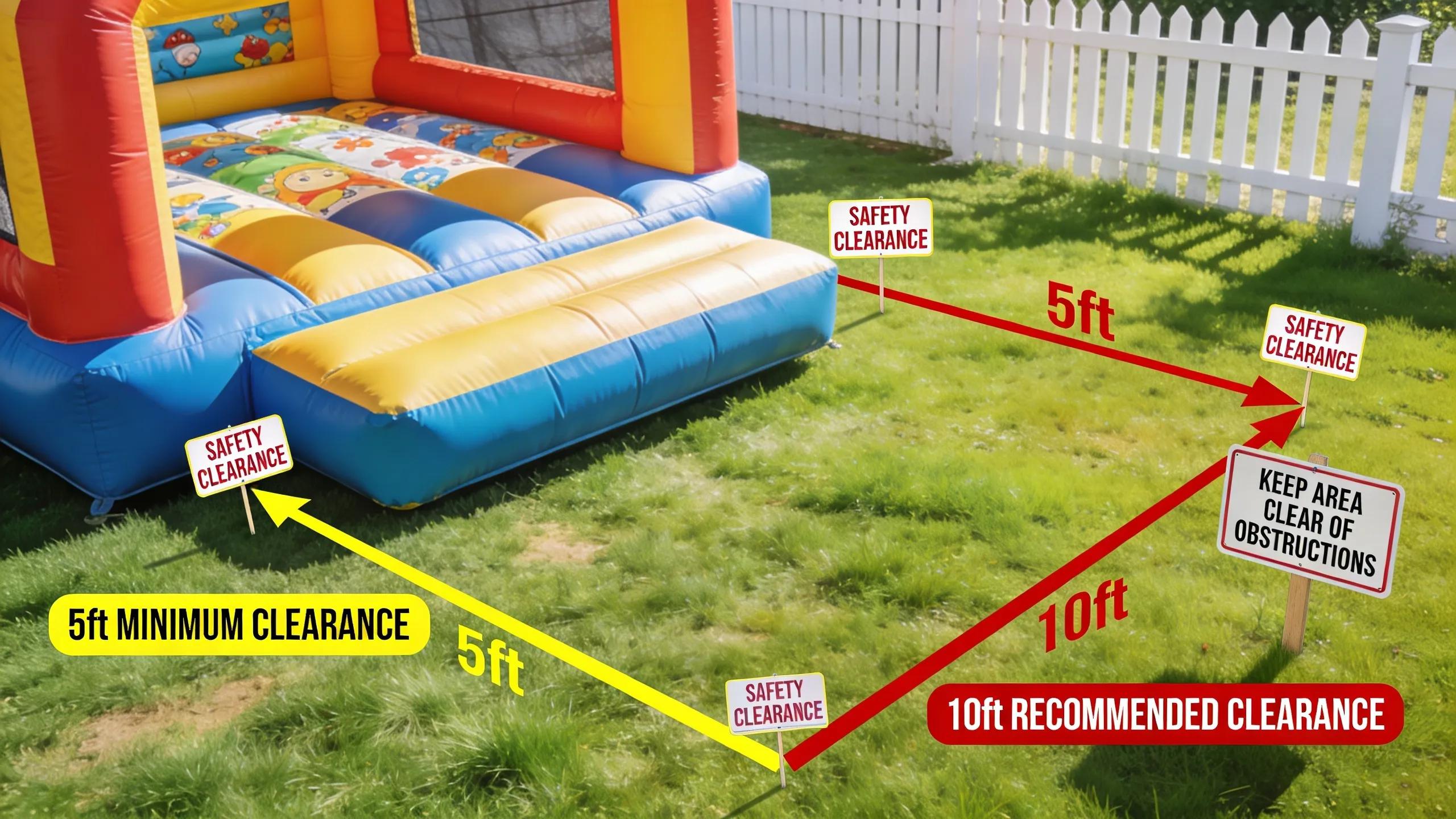
Clearance around the inflatable is critical. Industry guidance generally calls for at least 5 to 10 feet of open space on all sides to reduce the risk of falls and collisions and to allow safe entry and exit.
What Are the Recommended Safety Clearance Distances by Industry Standards?
Industry standards recommend a minimum 5-foot clearance around the bounce house. If the unit includes slides or extended exits, increase the buffer to about 10 feet to ensure safe landings and movement.
Why Is Adequate Space Crucial for Bounce House Setup and User Safety?
Adequate space reduces injury risk, provides clear sightlines for supervision, and ensures emergency access if needed. Sufficient clearance also keeps the inflatable stable and prevents collisions with nearby objects.
How Do You Measure and Prepare Your Yard for a Bounce House Rental?
Measure the intended area before booking. Confirm the surface is flat and clear of debris, sharp objects, or obstacles that could damage the inflatable or endanger users.
What Tools and Techniques Help Accurately Measure Available Space?
Use a tape measure to record length and width, allowing for the inflatable’s footprint plus required clearance. Photographs of the site help visualise the layout and are useful to share with the rental company for tailored advice.
Which Surface Types Are Best Suited for Bounce House Setup?
Grassy, level surfaces are ideal because they add cushioning and stability. Avoid locations such as gravel, concrete, or hard-packed dirt, which increase injury risk and may damage the inflatable.
What Are the Best Practices for Safe Bounce House Setup in New York?
Follow local regulations and safety guidance when setting up a bounce house in New York. Regional rules may affect space, installation, and permitting. For local rental options and details, see bounce house rentals New York.
How Does Clowns4Kids Ensure Compliance With Local Safety Guidelines?
Clowns4Kids uses licensed, trained staff who inspect the site and install inflatables to required safety standards. They anchor units correctly and monitor setups to align with local rules and feedback from authorities and event planners.
What Additional Space Considerations Apply for Indoor vs. Outdoor Events?
Indoor setups require precise measurements for floor space and ceiling height. Ensure adequate clearance for ventilation and safe entry/exit. Outdoor events allow more flexibility but still need flat, unobstructed areas and proper anchoring.
Which Questions Do Customers Commonly Ask About Bounce House Space Requirements?
Customers often ask about space, setup, and safety. Clear answers help with planning and prevent surprises on event day. In addition to inflatables, Clowns4Kids offers entertainers like clowns, carnival games, and other party entertainment options to complement your event.
How Much Space Do I Need to Set Up a Bounce House Safely?
A practical rule is to allow about 15 to 20 feet in both length and width to cover the inflatable and the recommended clearance. This space supports safe play and effective supervision.
What Surfaces Should I Avoid When Planning Bounce House Placement?
Avoid surfaces like concrete, gravel, or other abrasive materials. These surfaces raise the risk of injury if children fall and can abrade or puncture the inflatable.
How Can You Book the Right Bounce House Rental With Adequate Space in Mind?
When booking, share accurate measurements and surface details with Clowns4Kids. Clear communication lets them recommend models that fit your space and meet safety needs.
What Information Should You Provide When Reserving a Bounce House?
Provide exact space measurements, the expected number and ages of children, the surface type, and any desired features. This information ensures the rental company can confirm suitability and safety.
How Does Clowns4Kids Assist With Space Planning and Setup?
Clowns4Kids advises on suitable inflatables based on your measurements and event size. Their team reviews requirements and confirms the setup plan so the installation is safe and successful.
Frequently Asked Questions
1. What are the age considerations when renting a bounce house?
Match the unit size to the age group. Younger children benefit from smaller, lower inflatables with clear boundaries. Older children may need larger units designed for higher activity levels. Choosing by age helps maintain safety and enjoyment.
2. Can I rent a bounce house for a corporate event?
Yes. Bounce houses are suitable for corporate family days or team events, provided the venue offers sufficient indoor or outdoor space that meets clearance requirements. Select sizes that suit the expected age range of participants.
3. How much weight can a bounce house hold?
Typical residential bounce houses support roughly 800 to 1,000 pounds, which often equals about 8 to 10 children depending on their sizes. Confirm exact weight limits with the rental company and adhere to those limits for safety.
4. What is the importance of anchor weights for bounce houses?
Anchor weights secure the inflatable against wind and movement. Proper anchoring prevents tipping and keeps the structure stable while in use. Use adequate anchors, especially in open outdoor areas.
5. Can bounce houses be set up on sloped or uneven terrain?
No. Never install a bounce house on a slope or uneven ground. Such setups increase the risk of shifting and accidents. Always choose a flat, level area like a grassy lawn.
6. Are permits required for bounce house rentals?
Permitting depends on location and rental terms. Local regulations vary, so check with your municipal authorities to determine if permits or notifications are required for your event.
7. What safety features should I look for when renting a bounce house?
Look for reinforced seams, safety netting at openings, and adequate edge padding. Confirm the rental company inspects and maintains equipment regularly and provides clear safety instructions for supervisors.
Conclusion
Knowing the space and clearance requirements ensures a safer, more enjoyable bounce house experience. Use the measurements and guidelines here to choose the right inflatable and plan a secure setup. Review available options and coordinate with the rental team to finalise arrangements for your event.