
























































How to Choose the Ideal Bounce House Size for Crowd Enjoyment
Choosing the right bounce house starts with a tape measure, not a catalog. Measuring the yard, including height clearance for taller units, and leaving buffer space on every side keeps setup safe and stress-free. Clowns4Kids, serving Long Island, Queens, the Bronx, and the Hamptons since 2001, matches inflatable size to guest count and venue layout so every event stays secure and fun.
What Size Bounce House Fits Your Space?
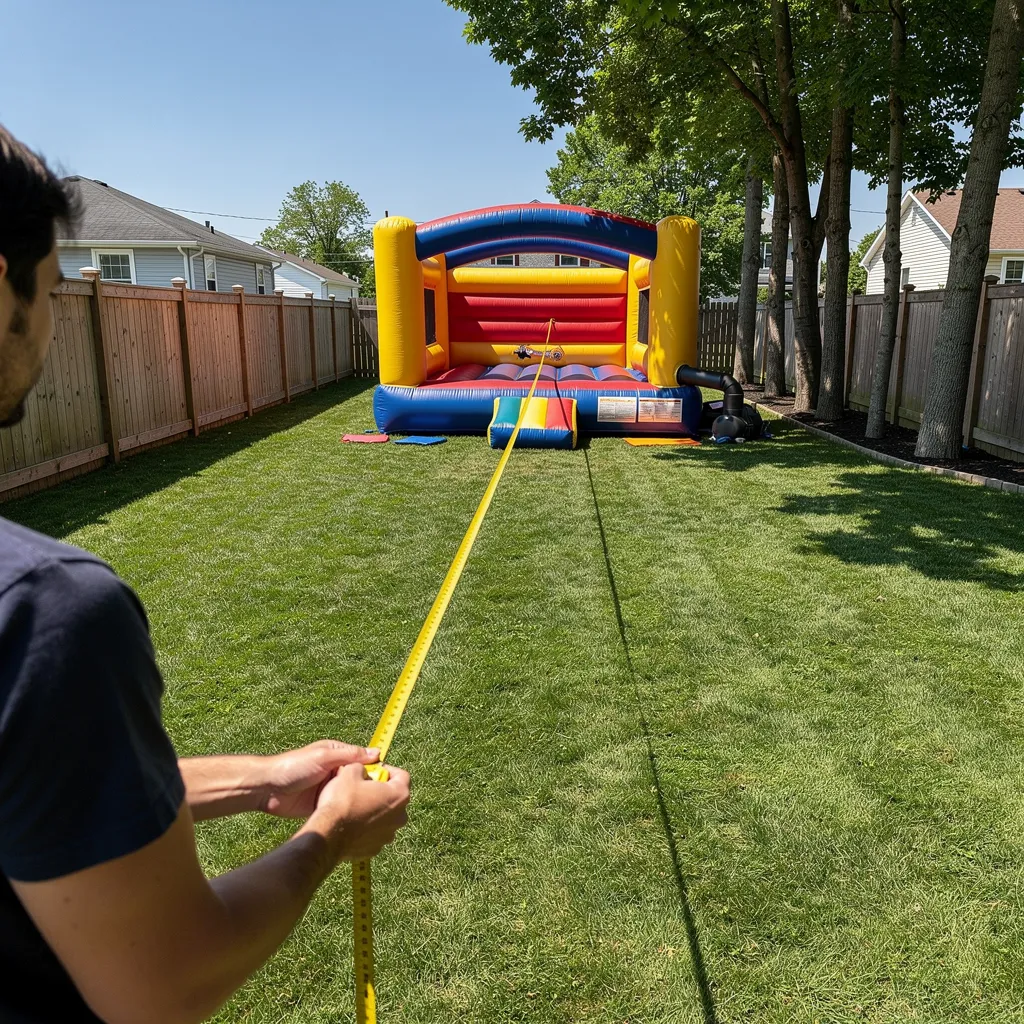
Available yard space is the single biggest factor in choosing a bounce house size. Standard inflatable units range from compact models to large combo units, and measuring the event space before booking prevents the letdown of a unit that simply won’t fit. A tape measure and ten minutes outdoors can save hosts from a last-minute scramble on party day.
Space alone doesn’t tell the whole story, though. Picking the right inflatable bouncer means weighing three things together: available room, the age range of the guests, and the total headcount expected to play. A compact unit might handle five toddlers comfortably but feel cramped with a dozen elementary schoolers bouncing at once.
How much extra clearance does a bounce house need?
Larger combo units, the kind built with slides or climbing features, need extra clearance beyond their footprint for safe setup and anchoring. Hosts should plan for a few extra feet on every side, plus overhead space clear of low branches or power lines.
What’s the easiest way to narrow down options?
Start with these three questions before browsing any catalog:
- How much yard, patio, or park space is available?
- What’s the age range of the kids attending?
- How many guests are expected to use the bounce house at once?
Clowns4Kids built its inflatable lineup because customers kept asking for it. As the company’s party entertainment business grew beyond clowns, magicians, and costume characters, hosts began requesting games, water slides, DJ services, and bouncers, and the inventory expanded to match that demand. Today’s wide selection of entertainment options and skilled performers gives hosts across New York and nearby areas a straightforward path to matching the right-sized unit, and the right overall experience, to their event space and guest list.
How Much Yard Clearance Do You Need?
Clearance means the open buffer around a bounce house, not just the footprint of the inflatable itself. Families often measure only the unit’s listed dimensions and stop there, leaving no room for stakes, blower equipment, or a safe way in and out. That gap is where accidents and setup headaches happen.
Getting the sizing right starts with adding buffer room on every side. Standard units typically need extra clearance for anchoring points and the external blower that keeps the inflatable running. Larger combo units, built with slides or added climbing features, demand even more breathing room than a basic bounce house footprint.
How much extra space should be added around the unit?
A practical rule is to plan for clear space on each side of the inflatable. That margin covers anchoring hardware, keeps the blower accessible for monitoring during the party, and leaves a safe path for kids entering and exiting. Skipping this step is the most common reason a bounce house that “measured fine” ends up cramped against a fence or deck on delivery day.
Does clearance matter for indoor venues too?
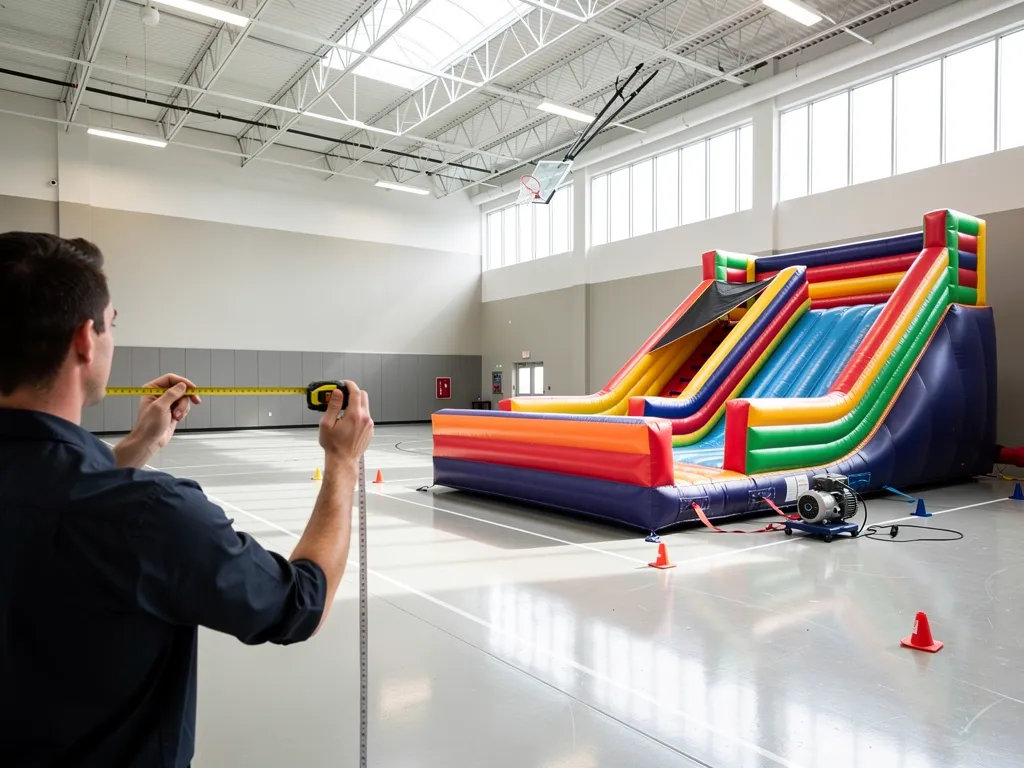
Yes. Gyms, event halls, and other indoor spaces need the same safety buffer as a backyard setup. Ceiling height matters indoors as well, especially for combo units with slides.
Clearance checklist before booking:
- Measure total yard or room space, not just where the unit sits
- Add buffer on all sides for anchoring and blower access
- Confirm a clear entry and exit path for children
- Check overhead clearance for combo units with slides
Clowns4Kids has kept quality control central to every added service since the company’s early days, a commitment that carries straight into how each inflatable rental is sized and set up for New York area families.
Which Size Suits Your Guests’ Ages?
Guest age is one of the first things to think through before locking in a unit. A toddler-friendly bouncer won’t hold up to a crowd of ten-year-olds, and an oversized inflatable can overwhelm a backyard full of preschoolers.
Bounce houses come in a wide range of sizes and features, so families and event planners need to match the bounce house to the age group actually attending. A unit that’s safe and entertaining for a group of five-year-olds might feel dull to teenagers, or worse, raise safety concerns if the age mix is wrong. Picking by age first, then narrowing by yard space, keeps the guest list having fun without unnecessary risk.
What works best for younger kids?
For children roughly between ages one and seven, a smaller bounce house paired with low-key entertainment tends to land best. Clowns4Kids often pairs this age range with a character clown show featuring balloons, face painting, cotton candy, dancing, a bubble machine, and a parachute. That combination keeps little ones engaged without needing a massive inflatable footprint.
How can hosts narrow down the right fit?
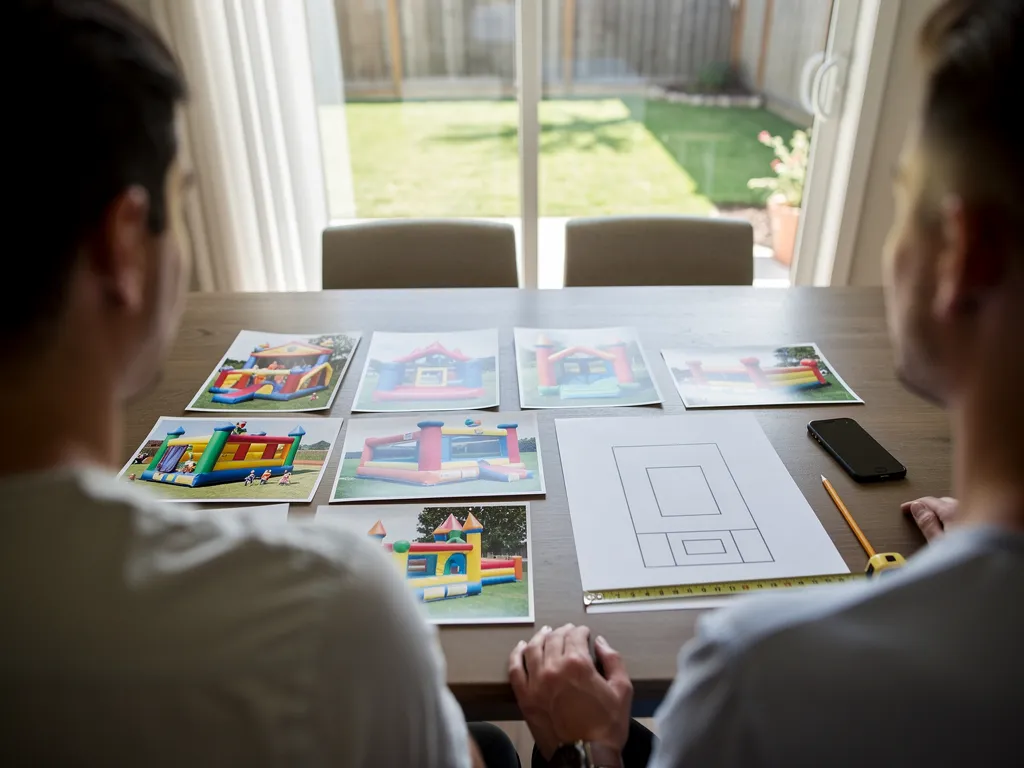
Browsing the full lineup of available units before booking makes the decision easier. Clowns4Kids recommends reviewing every option listed on its website to see what naturally fits the crowd and age range expected at the event. Comparing choices side by side, rather than guessing, helps hosts land on a size that suits both the guests and the yard.
Indoor Venue or Backyard: What Changes?
Space constraints shift dramatically between a gymnasium floor and a fenced backyard lawn. Backyards offer open-ended layout options but bring variables like slope, overhead branches, and fence lines. Indoor venues trade that flexibility for fixed ceiling heights, doorway widths, and hard flooring that changes setup logistics entirely.
Clowns4Kids handles both scenarios across its service area, which stretches through Long Island, the Hamptons, Westchester, Queens, Bronx locations, and parts of New Jersey. Covering that much territory means encountering nearly every venue type imaginable, from sprawling estate lawns to compact community center halls.
Does an Indoor Venue Limit Bounce House Options?
Ceiling height is the first thing to check indoors, since many standard units need clearance that low ceilings simply don’t offer. Hard flooring also changes anchoring methods, since stakes won’t work and sandbags or weighted anchors become necessary instead.
Is a Backyard Always the Easier Choice?
Not necessarily. Backyards demand their own checklist: measuring fence gates for delivery, clearing overhead branches, and confirming the ground is level enough for safe play.
When extra room exists, whether indoors or out, combo bounce houses with interactive elements are worth considering for larger gatherings with mixed age groups. These units add basketball hoops, slides, or obstacle features that keep bigger crowds engaged longer.
Budget matters too. Clowns4Kids offers entertainment options at many different price points, so hosts can fit backyard birthday parties and larger indoor events alike without stretching past what they planned to spend. That range, paired with services scaled for everything from an intimate backyard gathering to a large corporate event, keeps the right fit within reach regardless of venue type.
How Do You Book the Right Fit?
A phone call starts the process of matching a bounce house to any backyard, park, or indoor venue. Clowns4Kids party planners walk clients through sizing questions, venue layout, and available options before any commitment gets made. Staff pick up calls Monday through Friday between 9:00 AM and 6:00 PM, giving hosts a real window to ask about how to determine the right size bounce house for an event’s space without pressure to decide on the spot.
That conversation covers more than just dimensions. Planners talk through pricing, add-ons, and which units suit the guest list and age range. Once a client settles on the right fit, securing the date requires a credit card number to lock in the reservation.
What Information Does Clowns4Kids Need After Booking?
Confirming the reservation triggers a short follow-up checklist. Clowns4Kids needs the party date and time, the full address of the location, and a working contact phone number. These details let the delivery crew plan setup around the actual space, whether that means a fenced backyard, a park pavilion, or an indoor hall.
Why Call Instead of Booking Online?
A phone conversation catches sizing problems before delivery day, not after. Clowns4Kids frames its commitment to quality as starting with that very first call, when planners discuss entertainment options built around the space available.
Booking steps, in order:
- Call to discuss options, pricing, and sizing with a party planner.
- Provide a credit card number to secure the date.
- Share the party date, time, address, and contact number.
This structure keeps logistics organized well before guests arrive.
FAQ
What should I measure first when choosing a bounce house size?
Measure the available yard space, including height clearance for taller units, before booking to ensure the inflatable fits comfortably within the event area.
What factors beyond yard space affect bounce house sizing?
Balance available room with the age range of guests and the total headcount expected to play at once for a safe, enjoyable fit.
Why does extra clearance around a bounce house matter?
Clearance beyond the footprint covers anchoring hardware, blower access, and a safe entry and exit path, preventing a cramped setup against fences or decks.
Conclusion
Choosing the right bounce house size comes down to balancing available space, guest count, and safety, all essential pieces of a successful event. Measure the venue carefully, account for setup and clearance requirements, and match capacity to the guest list, and the result is an environment where kids play safely and parents relax. Get the fit right, and the celebration runs smoothly from the first jump to the last.