






















































Unlock Success: Best Practices for Pop-Up Shops in NYC Revealed
Successful New York City pop-up shops start with neighborhood selection and permit compliance. The city dictates lawful building use, sidewalk access requires separate permits, and state registration is mandatory before the first sale. Brands launching temporary retail concepts must navigate these distinct New York regulations while choosing high-traffic locations for maximum attendance.
What Are the First Steps for a NYC Pop-Up?
Opening a pop-up in New York City is a fundamentally different undertaking than launching one elsewhere. The city imposes a distinct legal and regulatory framework that demands careful preparation before any sale occurs. Brand marketers and event organizers who skip these foundational steps risk permit denials, unexpected fines, and operational shutdowns that derail the entire activation.
What legal registrations does a New York pop-up require?
New York State requires formal business registration before the first transaction takes place. The city separately determines what a building may lawfully be used for, making zoning verification a critical early task. Without both approvals in hand, a pop-up operator faces immediate compliance violations.
What permits govern sidewalk and outdoor elements?
Anything touching the sidewalk needs its own permit. This includes signage, displays, and any activation that extends beyond the storefront. A set of real costs never appears on a single listing, so planners must budget for these hidden municipal fees from day one.
The Best Practices for Pop-Up Shop Success NYC start with these compliance steps. Clowns4Kids understands that excellence begins with the very first phone call. The company brings an innovative and motivated approach to every activation, ensuring that entertainment elements like costume characters or interactive games integrate seamlessly into a fully permitted space. Event organizers who secure proper registrations and permits early avoid the costly delays that compromise attendance and brand impact.
Which NYC Neighborhoods Drive the Most Foot Traffic?
Selecting the right neighborhood is the single most important decision for a pop-up shop’s success. Dense foot traffic, world-famous shopping streets, and diverse markets make certain New York City areas outperform others by wide margins. A brand that picks the wrong block loses visibility that no amount of signage recovers.
What makes a neighborhood ideal for a pop-up shop?
Three factors separate high-performing locations from the rest. Pedestrian volume comes first. Times Square alone sees hundreds of thousands of pedestrians on peak days, underlining how powerful the right block can be for visibility. Second, the surrounding retail mix matters. A street lined with complementary brands draws shoppers already in a buying mindset. Third, the neighborhood’s cultural identity shapes expectations. Pop-up shop culture thrives across New York City because of an urban culture that encourages experimentation in retail spaces.
Which NYC neighborhoods deliver the highest pedestrian counts?
Foot traffic data points to several standout areas for brand activations:
- Midtown Manhattan and Times Square generate unmatched pedestrian density, with hundreds of thousands of daily visitors passing through a concentrated retail corridor.
- SoHo combines luxury shopping with tourist footfall, creating a steady stream of fashion-conscious consumers.
- Williamsburg, Brooklyn attracts a younger demographic with high disposable income and a preference for experiential retail.
- The Lower East Side offers a mix of local residents and destination shoppers drawn to independent boutiques and food concepts.
Clowns4Kids services numerous New York City boroughs including the Bronx, Brooklyn, Queens, and Manhattan, bringing entertainment directly to pop-up activations in these high-traffic zones. A well-chosen neighborhood amplifies every other investment a brand makes. The wrong location drains the budget before the first customer walks through the door.
How Do You Secure Permits and Legal Compliance?
Securing permits and legal compliance for a New York City pop-up shop requires navigating a layered regulatory system. The city controls building use, the state mandates business registration, and sidewalk activity demands separate approvals. Missing any step delays opening and risks fines that erode a tight budget.
What Are the First Legal Steps Before Signing a Lease?
Before signing any lease, confirm the property’s zoning classification. The city decides what a building may lawfully be used for, and a space zoned for storage cannot host retail without a variance. Event organizers and brand marketers lose weeks of preparation time when zoning issues surface late. Verify the certificate of occupancy matches the intended pop-up activity. This single check prevents the most common legal failure point for temporary retail activations.
How Does Business Registration Work for a Temporary Shop?
New York State requires business registration before the first sale occurs. Complete this step well in advance of opening day. The process involves filing formation documents, obtaining a sales tax certificate, and securing any industry-specific licenses. Small business owners who delay registration discover that processing times stretch beyond their pop-up’s planned launch date. The state’s requirement is non-negotiable and applies equally to a one-weekend activation and a three-month lease.
What Permits Cover Sidewalk and Exterior Displays?
This rule covers signage, merchandise racks, sandwich boards, and any display extending beyond the storefront. The Department of Transportation and the Department of Consumer Affairs each regulate different aspects of sidewalk use. Retail pop-up planners who skip this step face immediate enforcement action. A sidewalk permit application should run parallel to lease negotiations, not as an afterthought.
What Hidden Costs Should Planners Budget For?
A set of real costs never appears on a single listing. Insurance requirements, city taxes, permit filing fees, and fire safety inspections add up quickly. Thorough due diligence on these line items protects against budget overruns that sink otherwise well-planned activations. Event organizers should request a complete fee schedule from the landlord and cross-reference it with city agency requirements. The gap between listed rent and total occupancy cost catches first-time pop-up operators off guard more often than any other financial variable.
What Entertainment Keeps Crowds Engaged Longer?
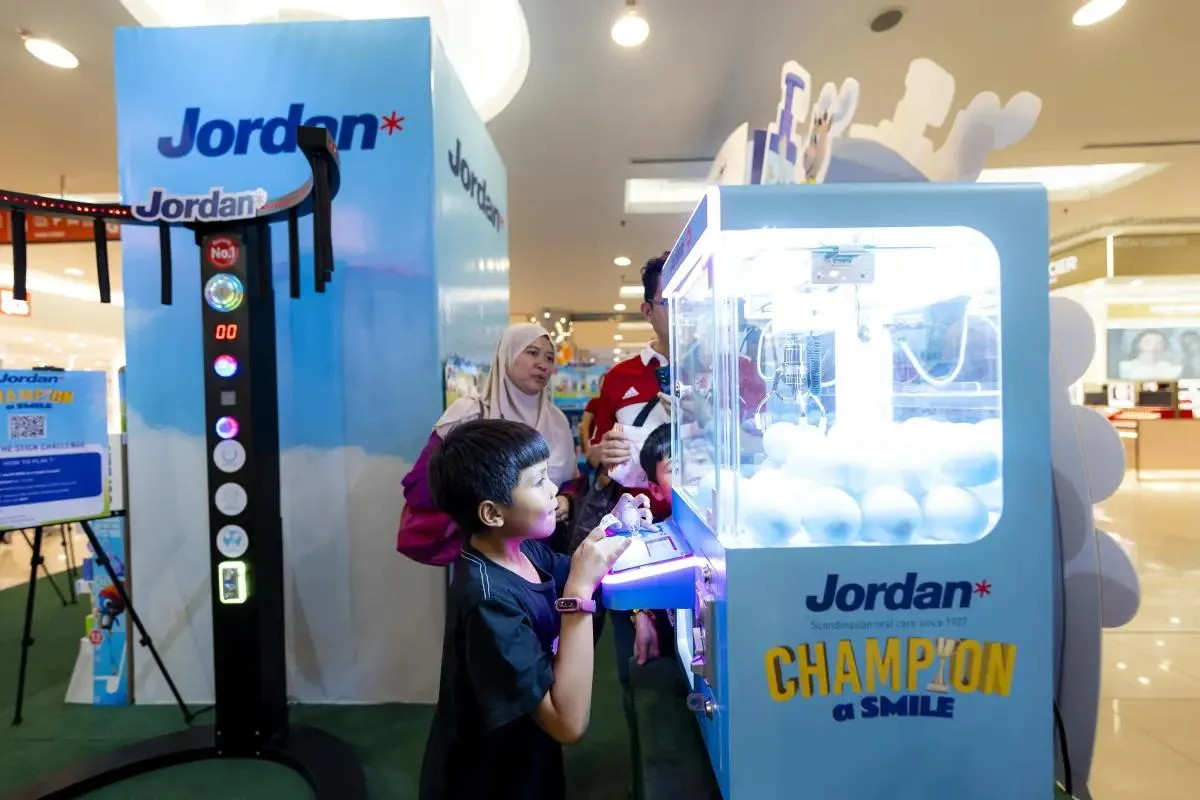
Interactive, performer-driven entertainment extends dwell time and deepens brand impact at New York City pop-ups. Pop-up shops have become a powerful marketing and branding strategy for retailers, creating significant impacts in communities including New York City. Static displays lose attention quickly. Live performers and hands-on activities transform a brief visit into a memorable experience that guests do not want to leave.
How Do Live Performers Boost Pop-Up Engagement?
Skilled entertainers create an emotional anchor that passive retail cannot match. Clowns4Kids provides party entertainment, clowns, magicians, and costume characters who draw crowds and sustain energy throughout an event. A magician performing close-up tricks near product displays keeps foot traffic circulating. Costume characters offer photo opportunities that guests share instantly, extending the brand’s reach beyond the physical space.
What Interactive Rentals Work Best for NYC Spaces?
Physical activities give guests a reason to stay and participate. The company’s inventory includes bounce houses and arcade games that suit both indoor venues and outdoor activations common in New York City neighborhoods. These attractions appeal across age groups. Children gravitate toward inflatables while adults compete on arcade machines, creating a layered experience that holds entire groups longer.
Why Does Entertainment Quality Determine Event Success?
Subpar performers or unreliable equipment damage a brand’s reputation faster than no entertainment at all. Clowns4Kids maintains a vast inventory of exciting entertainment options and many talented performers, making any party a huge success. The company’s commitment to excellence begins with the very first phone call, welcoming business and discussing wonderful possibilities and endless entertainment options. Event organizers seeking the best clowns in NYC find that professional, vetted talent eliminates the risk of no-shows or disappointing performances. A flawless execution keeps guests engaged and talking about the experience long after the pop-up closes.
How Do You Market a Pop-Up for Maximum Buzz?
New York City remains one of the world’s most influential hubs for retail innovation and experiential marketing. A pop-up’s success depends on a marketing plan that builds anticipation before the doors open. Without a deliberate strategy, brands lose the fleeting attention of dense foot traffic that defines neighborhoods from SoHo to Williamsburg.
Best Practices for Pop-Up Shop Success NYC start with a layered approach. The strategy combines physical presence with digital amplification. Each element works together to create a discoverable, shareable moment.
What signage works best for a New York City pop-up?
Graphics and signage serve as the first handshake with passersby. Bold, large-format window displays stop pedestrians mid-stride. Directional sidewalk signs pull curious visitors from the street into the space. Interior graphics then reinforce the brand message and guide the customer journey. Every surface becomes a communication tool.
How do brands generate buzz before launch day?
A countdown campaign across social channels teases the location and concept. Local influencers receive early access in exchange for authentic content. Geo-targeted ads reach users within a walkable radius of the venue. Email lists get exclusive first-look invitations. These tactics layer urgency onto curiosity.
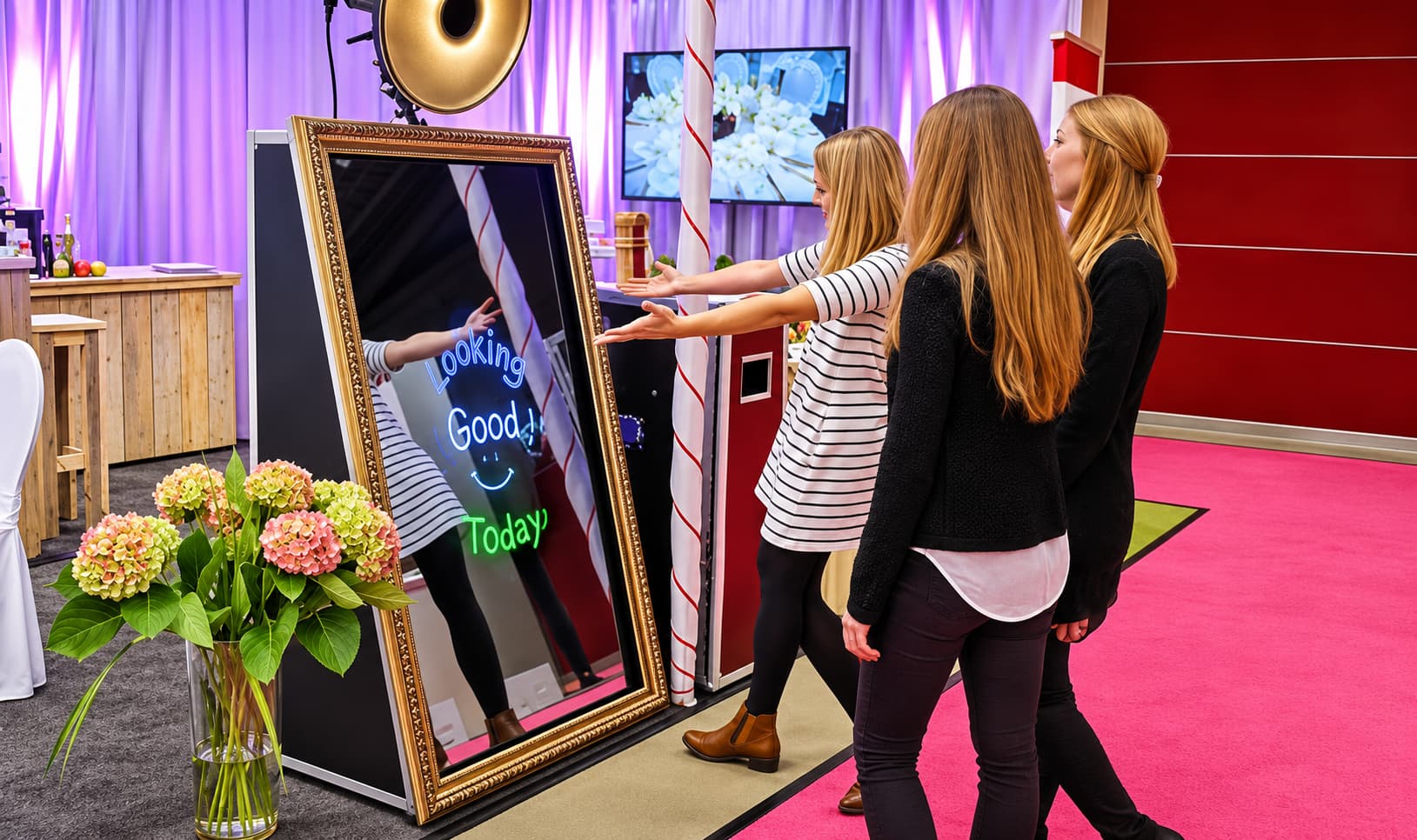
The physical environment itself must earn social shares. A dedicated photo moment inside the space, complete with branded backdrops, turns visitors into unpaid promoters. Clowns4Kids understands this principle deeply. The company brings an innovative, motivated approach to every activation, striving for excellence from the very first client phone call. Its commitment to integrity ensures that every interactive element, from costumed characters to themed game stations, aligns with the brand’s core message. Effective marketing strategies attract audiences and boost brand recognition. The result is a temporary space that leaves a permanent impression.
FAQ
What legal registrations does a New York pop-up require?
New York State requires formal business registration before the first transaction, and the city separately determines lawful building use through zoning verification.
What permits govern sidewalk and outdoor elements?
Anything touching the sidewalk, including signage, displays, and activations beyond the storefront, needs its own permit with hidden municipal fees.
Which NYC neighborhoods deliver the highest pedestrian counts?
Midtown Manhattan and Times Square generate unmatched pedestrian density, SoHo combines luxury shopping with tourist footfall, and Williamsburg, Brooklyn attracts a younger crowd.
Conclusion
A successful New York City pop-up requires a deliberate strategy that coordinates legal compliance, budget planning, and engaging entertainment into a single cohesive experience. Event organizers who invest in professional performers and interactive attractions create spaces that hold attention and generate lasting brand impact. The next step involves reviewing each operational layer against city requirements and securing vetted talent that delivers a memorable activation.